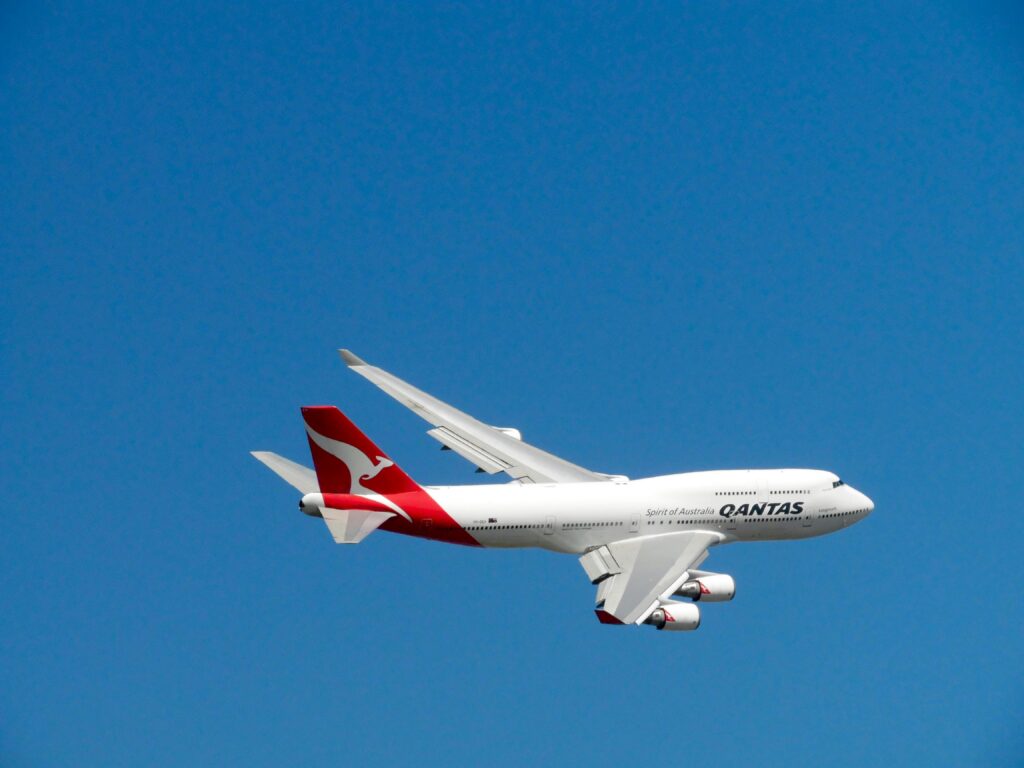
When you book a flight, board an airplane, and arrive safely at your destination, it may seem like everything just works smoothly behind the scenes. Airlines operate, airports handle passengers, and aircraft fly across international skies every day. But at the center of this complex web lies a key player that many passengers rarely think about: the Civil Aviation Authority (CAA).
Every country has one. In the United States it’s the Federal Aviation Administration (FAA), in Europe it’s overseen by the European Union Aviation Safety Agency (EASA), in the United Kingdom it’s simply called the Civil Aviation Authority, and in Africa and Asia, each country has its own version. These organizations may go by different names, but their role is essentially the same: to keep aviation safe, regulated, and in harmony with global standards.
Table of Contents
What Do Civil Aviation Authorities Do?
The work of a Civil Aviation Authority is broad and touches every part of the aviation ecosystem. Their main responsibilities can be summarized as:
Safety Oversight: This is the number one priority. CAAs set rules and conduct inspections to make sure airlines, airports, aircraft, and personnel meet safety standards. From pilot training requirements to aircraft maintenance checks, nothing is left to chance.
Regulation and Licensing: CAAs issue licenses to pilots, air traffic controllers, engineers, and airlines. They also certify airports and ensure they meet international requirements.
Airspace Management: They oversee how national airspace is used, often working with the military and air navigation service providers. This ensures smooth and safe movement of flights across the skies.
Security Oversight: In an age of global security threats, CAAs make sure airports and airlines follow strict procedures to protect passengers, aircraft, and facilities from unlawful interference.
Consumer Protection: Passengers also benefit from CAAs through rules that protect their rights—such as compensation for delays, clear ticketing rules, and fair pricing practices.

Why Civil Aviation Authorities Matter Globally
Aviation is not confined by borders. A flight leaving Nairobi might land in Dubai, London, or Beijing. For this to work, countries must trust each other’s aviation systems. This is where international cooperation comes in.
Organizations like the International Civil Aviation Organization (ICAO) set global standards, and CAAs in each country ensure they are followed locally. When every authority applies these standards, airlines can operate across borders safely and confidently.
For example:
If a Kenyan airline wants to fly to Europe, the European authorities need to be confident that Kenya’s CAA ensures high safety standards.
If a new airline starts in Nigeria, it cannot fly internationally unless its operations are recognized as safe by ICAO and other CAAs.
Without this trust and global alignment, international aviation simply wouldn’t function.
The Challenges Civil Aviation Authorities Face
Running a CAA is not easy. Some of the most common challenges include:
Funding and Resources: Many developing countries struggle to properly finance their CAAs, leading to gaps in safety oversight.
Keeping Up With Technology: Aviation evolves quickly, from new aircraft designs to digital air traffic systems. Authorities must keep updating their regulations and skills.
Training and Staffing: Skilled inspectors, regulators, and auditors are essential—but attracting and retaining them can be difficult, especially in regions with limited aviation education.
Political Influence: Ideally, CAAs should be independent regulators. But in some countries, political pressure affects their decisions, which can compromise safety.
These challenges are why ICAO conducts Universal Safety Oversight Audits worldwide, helping to identify weaknesses and push countries to improve.

Real-Life Examples of CAA Impact
The FAA in the United States
The FAA not only regulates U.S. aviation but also influences global standards. For example, when Boeing aircraft are grounded in the U.S., other countries often follow the FAA’s lead.
EASA in Europe
EASA coordinates safety across the European Union, ensuring all member states apply the same rules. This makes it easier for airlines to operate across Europe without duplicating regulatory checks in every country.
https://www.caa.co.uk/our-work/about-us/our-roles-and-responsibilities
Emerging CAAs in Africa
Some African countries are modernizing their CAAs to attract more international airlines. Ethiopia’s CAA, for instance, has played a key role in helping Ethiopian Airlines grow into Africa’s largest and most respected carrier.
Why Strong CAAs Are Essential for Africa
For Africa, the role of CAAs is even more important. The continent has huge potential for aviation growth, but many countries still face safety and regulatory gaps. Strong, independent, and well-funded CAAs could:
Build confidence among international airlines, leading to more flights into Africa.
Improve safety records, which in turn boosts passenger confidence.
Support local airlines to expand globally.
Attract investment in airports and aviation infrastructure.
In fact, without capable CAAs, Africa’s dream of fully realizing its aviation potential will remain limited.
The Future of Civil Aviation Authorities
As aviation grows, CAAs will need to transform. Future priorities include:
Digital Regulation: Using data and technology to monitor safety performance in real time.
Environmental Oversight: Setting and enforcing rules for sustainable aviation, including emissions and noise reduction.
Regional Cooperation: In places like Africa, pooling resources among CAAs could help cover skill and technology gaps.
Greater Independence: Protecting CAAs from political or business influence to ensure decisions are based only on safety and international standards.
Conclusion
Civil Aviation Authorities may not operate aircraft or run airports, but without them, aviation would not exist in its current safe and structured form. They are the referees, guardians, and enablers of global air travel. From licensing pilots to ensuring safety in every flight, CAAs are the silent but powerful force that keeps aviation moving.
As the industry continues to grow, especially in Africa, strong CAAs will be the difference between stagnation and success. Countries that invest in their authorities will enjoy safer skies, more international connections, and stronger economies.
Call-to-Action
At Sky Aviation Consulting, we work closely with civil aviation authorities to strengthen their systems, provide training, and align them with global best practices. If your organization or country wants to improve oversight, boost safety, or modernize aviation regulations, we are here to guide you. Let’s build the future of aviation together