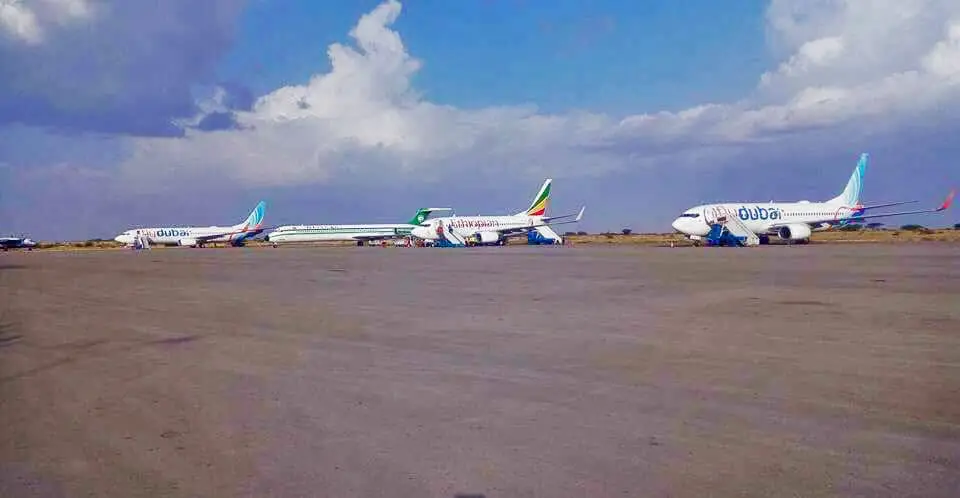
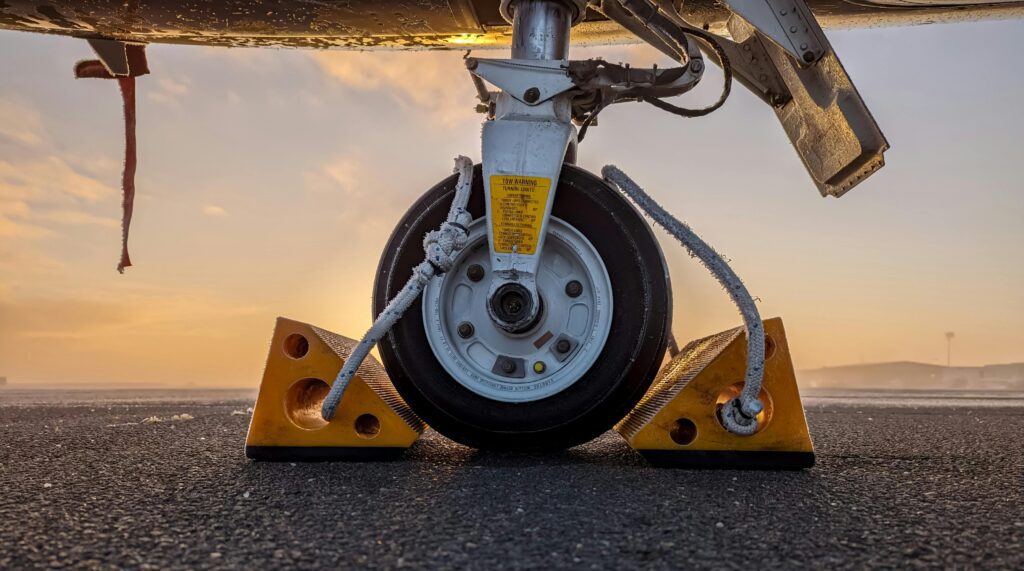
Air travel is a complex system where every step must run smoothly to ensure passengers and their belongings arrive together at the right destination. Among the most critical yet often overlooked aspects of this process is baggage handling. For many passengers, baggage represents not only personal items but also comfort, security, and peace of mind. When things go wrong—delays, loss, or theft—the inconvenience can significantly damage the passenger experience and an airline’s reputation.
This article explores in detail how baggage is handled from the moment of check-in until arrival. It also examines the International Air Transport Association (IATA) rules and guidelines for mishandled baggage, including missing, delayed, pilfered, and lost luggage.
Table of Contents
The Baggage Handling Process: Step by Step
The journey of a passenger’s bag involves multiple steps, players, and technologies. Understanding this chain is key to appreciating both its complexity and its vulnerabilities.
1. Check-in and Tagging
At the airport check-in counter or self-service kiosk, the passenger hands over their baggage.
Each bag is weighed and checked against the passenger’s ticket and baggage allowance.
A bag tag (with a unique barcode or RFID chip) is attached. This tag links the bag to the passenger’s itinerary and serves as a tracking tool throughout the journey.
The bag is then sent onto the conveyor belt system for sorting.
2. Security Screening
Bags are scanned using X-ray machines or advanced imaging systems to detect prohibited items.
If suspicious contents are detected, the bag may be pulled aside for manual inspection.
Screening is critical not only for passenger safety but also to comply with international security standards.
3. Sorting and Transfer to Aircraft
Modern airports use automated baggage handling systems (BHS) that scan the bag tag and direct it through conveyors, scanners, and sorters to the right chute.
Bags are separated based on destination, connecting flights, and class of service.
For connecting flights, bags may be routed to transfer areas for reloading onto the next aircraft.
4. Loading onto the Aircraft
Ground handling staff transport bags to the aircraft using baggage carts or containers (Unit Load Devices, ULDs, for wide body aircraft).
Bags are loaded in the cargo hold according to a load plan, which considers aircraft balance and weight distribution.
Priority bags (business/first-class, special tags) are loaded in accessible areas for faster delivery.
5. Transport and Flight
During the flight, bags remain in the cargo hold, secured in ULDs or tied down.
Cabin crew and flight deck crew receive the load sheet, which includes baggage weight for fuel and safety calculations.
6. Unloading and Transfer
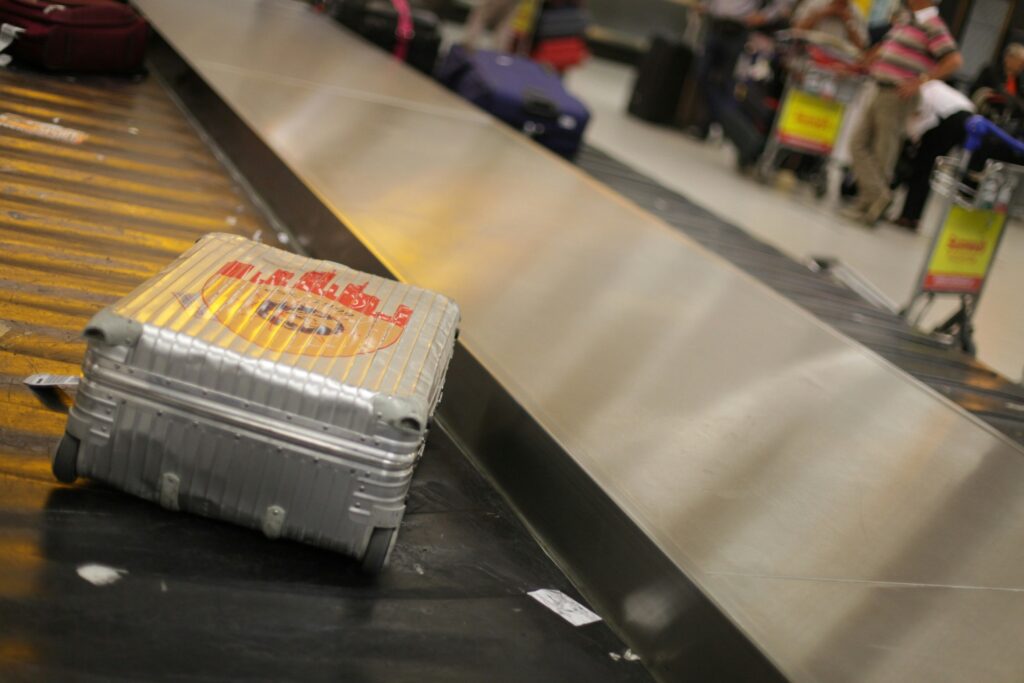
Upon arrival, bags are quickly unloaded and sent either to the arrival hall or, for transit passengers, to connecting flights.
For tight connections, baggage systems and handlers prioritize fast transfer.
7. Delivery to Arrival Hall
At the arrival airport, bags are placed on carousels in the baggage claim area.
Passengers use their baggage tag receipt to confirm ownership.
Any unclaimed or delayed bags are sent to the lost and found (baggage services office).
This streamlined process is supported by technology like barcodes, RFID, and baggage reconciliation systems (BRS), which ensure that each bag is tracked and loaded onto the correct flight.
Common Baggage Issues
Despite technological advances, baggage mishandling still occurs. According to IATA’s data, mishandled baggage rates have improved significantly over the past decade, but millions of bags are still delayed, damaged, pilfered, or lost every year. The main categories include:
Delayed Baggage – Bag does not arrive on time, often due to missed connections or handling errors.
Lost Baggage – Bag is never located and declared permanently lost after tracing efforts.
Pilfered Baggage – Items stolen from the bag during handling or transfer.
Damaged Baggage – Bag arrives broken, torn, or with damaged contents.
https://www.internationalairportreview.com/topic/baggage-handling
IATA Rules and Passenger Rights for Mishandled Baggage
The International Air Transport Association (IATA), together with international conventions such as the Montreal Convention of 1999, sets out rules and compensation frameworks for mishandled baggage. Airlines, airports, and ground handlers are all required to comply.
1. Delayed Baggage
If a bag is delayed, the airline must make reasonable efforts to locate and return it to the passenger.
Airlines use the World Tracer system, an IATA-developed tracing tool used by more than 450 airlines and 2800 airports worldwide.
Passengers may be entitled to reimbursement for “essential purchases”, such as toiletries and clothing, until the bag is returned.
According to the Montreal Convention, compensation for expenses is capped (currently around 1,288 SDR – Special Drawing Rights, roughly USD 1,700, but this fluctuates with exchange rates).
2. Lost Baggage
If a bag cannot be found after 21 days, it is officially considered lost.
The airline must compensate the passenger, up to the maximum liability limit (1,288 SDR under Montreal Convention).
Passengers may be asked to provide receipts or proof of value for high-value items.
Airlines typically exclude fragile items, electronics, cash, or jewelry from liability, as most conditions of carriage recommend such items be carried in hand baggage.
3. Pilfered Baggage
When items are stolen from a bag, it falls under pilferage.
Airlines are liable if the theft occurred during their custody of the bag.
Passengers must report missing items immediately at the baggage service desk before leaving the airport.
Claims may require receipts for stolen items, and compensation is capped under Montreal Convention limits.
4. Damaged Baggage
Airlines are responsible for damage caused during transport, excluding normal wear and tear (scratches, minor dents).
Passengers must file a damage report immediately at the airport.
Depending on severity, the airline may repair, replace, or compensate for the bag.
https://www.hse.gov.uk/airtransport/topics/baggage.htm
How Airlines and Airports Prevent Mishandling
To reduce baggage issues, the industry has invested in several measures:
IATA Resolution 753 (Baggage Tracking)
Requires airlines to track bags at key points: check-in, loading, transfer, and arrival.
RFID technology improves accuracy compared to traditional barcodes.
This standard has significantly reduced mishandling cases.
Baggage Reconciliation Systems (BRS)
Ensure that no bag is loaded onto an aircraft without the passenger (reducing security risks and mishandling).
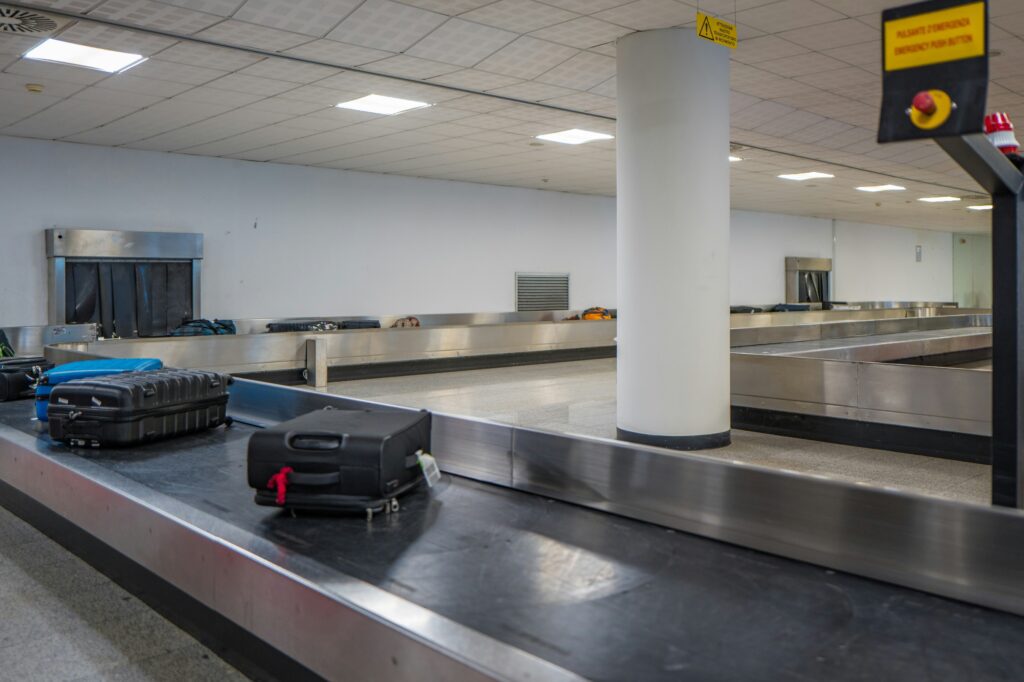
Automation and Robotics
Some airports use automated baggage sorters, self-bag drop machines, and AI-based predictive systems to manage baggage peaks.
Partnerships with Ground Handlers
Airlines often contract ground handling companies. Strict Service Level Agreements (SLAs) ensure accountability.
Passenger Empowerment
Airlines increasingly offer mobile apps for passengers to track their bags in real-time (e.g., Delta’s RFID baggage tracking system).
The Passenger’s Role
While most responsibility lies with airlines, passengers can also help reduce baggage problems:
Always label baggage with name, contact, and address.
Remove old tags to avoid confusion.
Avoid packing valuables, electronics, or cash in checked bags.
Take a photo of your bag before check-in to help identification if lost.
Report issues immediately at the airport, not later.
Case Study: Improving Baggage Handling in Africa
In Africa, baggage mishandling has historically been a challenge due to outdated systems and infrastructure. However, airports like Addis Ababa Bole International and Johannesburg O.R. Tambo have invested in modern baggage handling systems, including RFID and automated sorters.
For Somalia and Somaliland, adopting Resolution 753 tracking and upgrading ground handling services can drastically improve passenger confidence. As more international airlines expand into the region, baggage reliability becomes a competitive advantage.
Conclusion
Baggage handling may seem routine, but it is one of the most crucial processes in aviation operations. From check-in to carousel delivery, it requires precise coordination, advanced technology, and adherence to international regulations.
When baggage goes missing, is delayed, or pilfered, IATA’s frameworks and the Montreal Convention provide passengers with protection and compensation. Yet, the ultimate goal is prevention—through better tracking, automation, and passenger awareness.
Airlines and airports that prioritize efficient baggage handling not only reduce costs but also win passenger loyalty, which in today’s competitive market is priceless.
Call-to-Action
At Sky Aviation Consulting, we provide expert guidance on baggage handling systems, IATA compliance, and customer service strategies. Whether you are an airline, airport, or ground handling company, our team helps you design efficient baggage operations, train staff, and adopt best practices that reduce mishandling while improving passenger satisfaction.
Contact us today to transform your baggage handling operations and deliver a seamless travel experience.