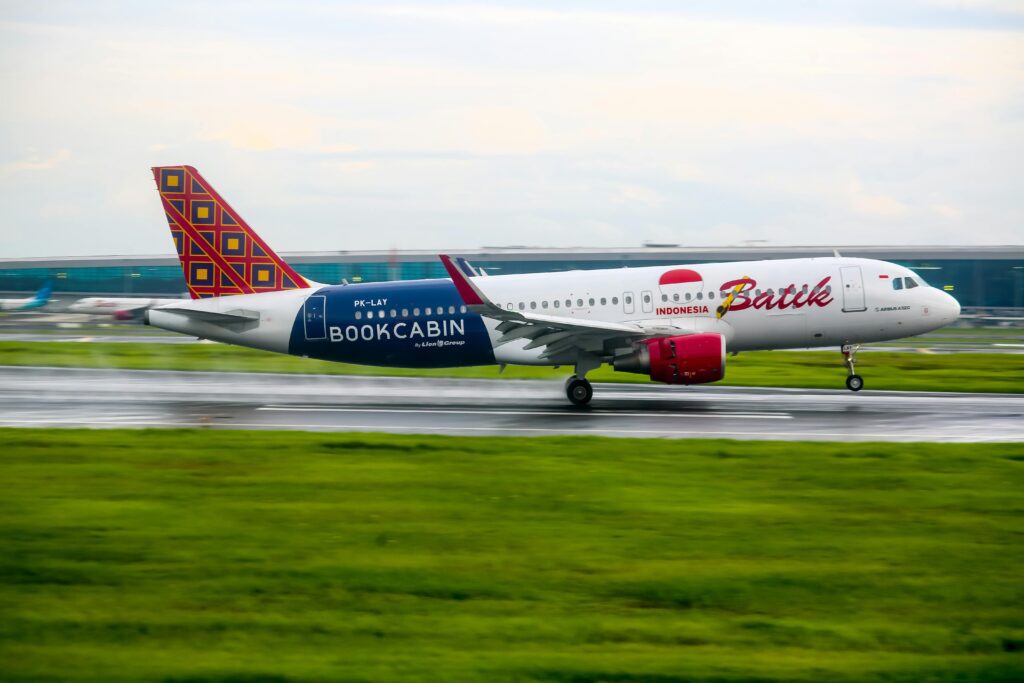
When most people think of airlines, they imagine the glamour of flight—the thrill of boarding an aircraft, the service of the cabin crew, or the comfort of reaching a destination in just a few hours. Yet behind the scenes lies an incredibly complex and finely tuned system that ensures every flight takes off and lands safely, on time, and as efficiently as possible. This system is known as airline operations.
Airline operations are the backbone of aviation. They cover every activity required to keep flights running smoothly—from scheduling pilots to fueling aircraft, from checking in passengers to monitoring weather patterns. At its core, airline operations are about achieving a delicate balance between safety, security, punctuality, profitability, and efficiency. Each of these elements is vital, and together they determine not only the success of individual flights but also the reputation and long-term sustainability of the airline.
Table of Contents
The Heart of Airline Operations
To understand how airlines function, it is important to look at the key components that drive operations day in and day out.
Flight Operations: This is where the journey begins. Flight operations teams are responsible for planning every aspect of a flight before it even leaves the ground. This includes creating detailed flight plans, calculating the safest and most fuel-efficient routes, and ensuring compliance with international regulations. Dispatchers and pilots work closely to consider weather conditions, air traffic restrictions, and even geopolitical issues that may affect certain airspaces. Fuel management is a critical part of this process—too much fuel adds unnecessary weight, but too little can create risks. Striking the right balance is a science in itself.
Crew Management: Behind every successful flight is a team of highly trained professionals—pilots, cabin crew, and ground staff. Crew management ensures that the right people are in the right place at the right time. Scheduling is no small task, as it must comply with strict duty-time regulations to prevent fatigue. Pilots and crew also undergo continuous training to maintain their licenses and ensure they are up to date with new safety protocols. Managing crew availability, rest periods, and sudden absences is one of the toughest challenges airlines face.
Ground Operations: Passengers often judge an airline by their experience at the airport, and this is where ground operations come into play. From check-in and baggage handling to security screening and boarding, ground staff ensure the passenger journey is smooth. One of the most critical parts of ground operations is the aircraft turnaround—the process of unloading passengers, refueling, catering, cleaning, and boarding the next set of travelers within a limited time frame. A delay in turnaround can cascade into multiple flight delays across the network.
Maintenance Planning: No matter how well-planned a flight may be, it cannot leave the ground unless the aircraft is airworthy. Maintenance planning is therefore a cornerstone of airline operations. This includes scheduled checks, routine inspections, and repairs. Airlines must adhere to strict regulations set by civil aviation authorities to ensure safety is never compromised. Increasingly, airlines are using predictive maintenance technologies to anticipate and fix potential issues before they become problems, reducing downtime and saving costs.
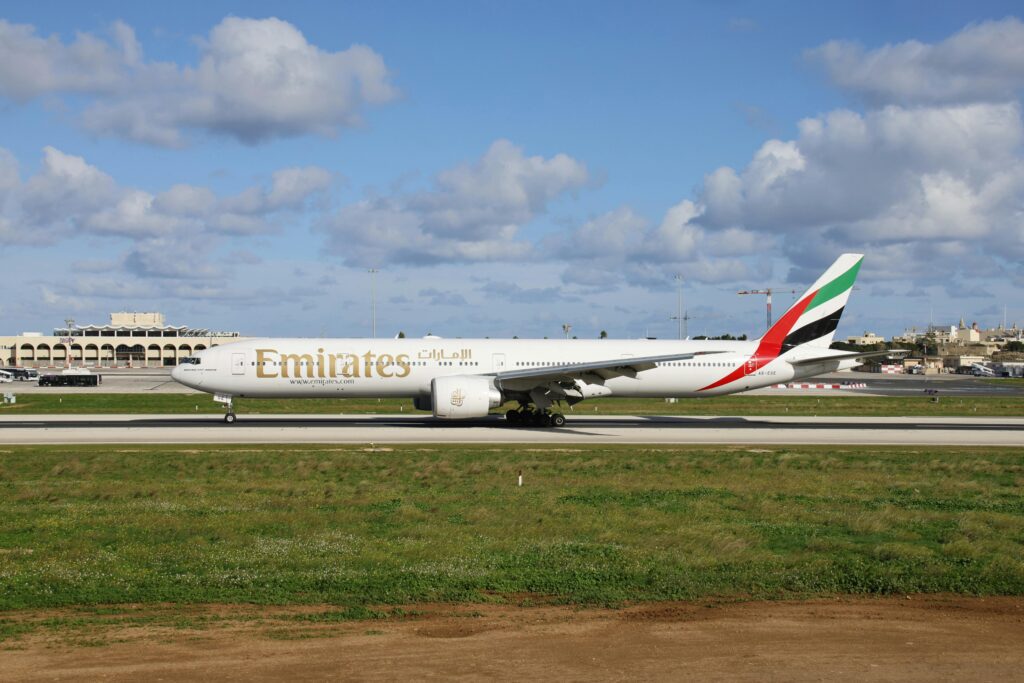
Why Efficient Operations Matter
The airline industry is one of the most challenging businesses in the world. Profit margins are slim, competition is fierce, and customer expectations are higher than ever. Efficient operations can make the difference between success and failure.
Safety Assurance: Safety is non-negotiable in aviation. Operations management ensures compliance with international safety regulations, minimizes risks, and builds trust with passengers. A strong safety record not only protects lives but also enhances the credibility of an airline.
Punctuality: Passengers expect flights to leave and arrive on time. Delays cause frustration and can damage an airline’s reputation. Efficient operations—whether in crew scheduling, aircraft maintenance, or ground handling—play a vital role in maintaining punctuality. Airlines that consistently deliver on-time performance are more likely to build passenger loyalty.
Cost Efficiency: Running an airline is expensive, with costs ranging from fuel and salaries to maintenance and airport fees. By optimizing operations, airlines can reduce unnecessary expenses. For example, better flight planning can lower fuel consumption, while efficient crew management can minimize overtime costs. In an industry where every dollar counts, these savings add up significantly.
Profitability and Sustainability: At the end of the day, airlines are businesses that must remain profitable to survive. Well-managed operations not only reduce costs but also increase revenues by allowing airlines to schedule more flights, improve reliability, and enhance customer satisfaction. This, in turn, leads to repeat business and long-term sustainability.
The Role of Technology in Modern Operations
Technology has revolutionized how airlines manage their operations. What was once done manually with paperwork and phone calls is now handled by sophisticated digital systems.
Operations Control Centres (OCC): Often described as the “nerve center” of an airline, OCCs monitor and coordinate every flight in real time. If a storm disrupts a route, the OCC quickly decides whether to reroute the aircraft, delay departure, or assign backup crews. These decisions must be made within minutes to avoid larger disruptions.
Digital Tools for Crew Management: Automated rostering systems allow airlines to create efficient crew schedules while ensuring compliance with duty-time rules. Crew tracking tools also monitor fatigue levels and help airlines assign rest periods appropriately.
Predictive Maintenance: Thanks to data analytics, airlines can now predict when a component is likely to fail and fix it before it causes a problem. This not only improves safety but also minimizes unexpected delays and cancellations.
Passenger-Centered Tools: From mobile apps to automated check-in kiosks, airlines also rely on technology to streamline ground operations and improve the passenger experience. These tools not only save time but also reduce pressure on staff, making the entire system more efficient.
https://www.iata.org/en/training/courses/diploma_programs/airline-operations-diploma/dipl-36
The Challenges of Airline Operations
While technology and planning have made airline operations more efficient, challenges still remain.
Weather and Airspace Disruptions: No matter how advanced the systems are, airlines are still vulnerable to unpredictable weather events like storms, fog, or volcanic ash clouds. Similarly, sudden airspace closures due to political instability can cause widespread disruption.
Crew Shortages: The aviation industry is currently facing global staffing challenges, with shortages of pilots and trained cabin crew. This has placed immense pressure on operations managers, who must balance available staff with growing demand for flights.
Complex Coordination: Running an airline involves synchronizing multiple departments—flight crews, ground services, maintenance teams, and regulatory bodies. A breakdown in communication in just one area can cause delays and affect the entire schedule.
Cost Pressures: Airlines constantly walk a tightrope between providing excellent service and controlling costs. Investing in new technology or additional staff improves efficiency but also increases expenses. Finding the right balance remains one of the toughest challenges for airline operations managers.
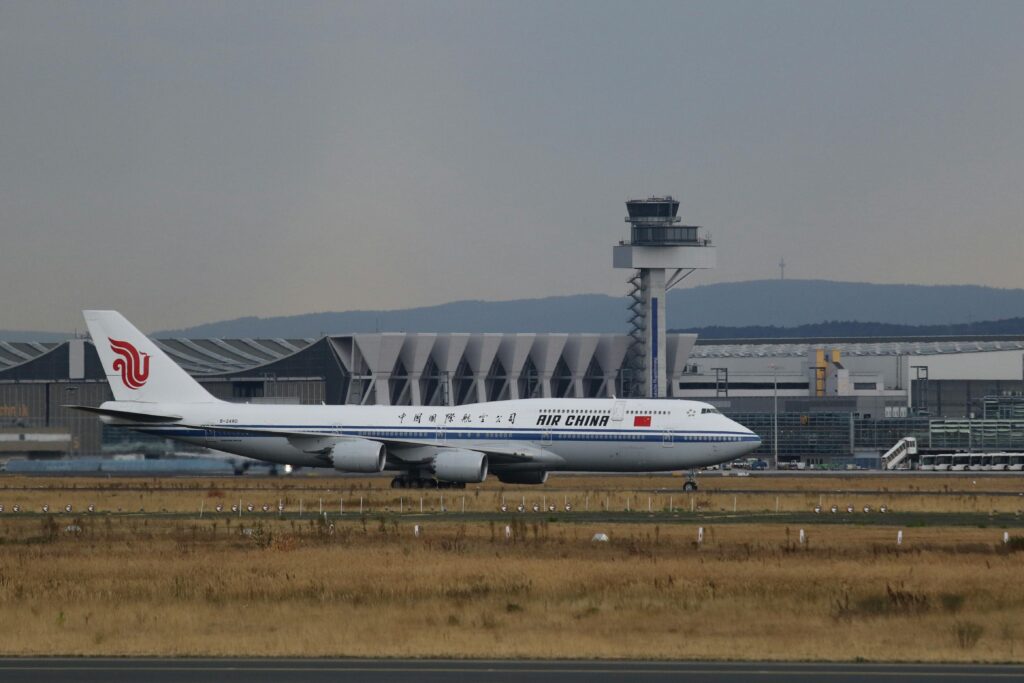
Looking Ahead: The Future of Airline Operations
As the aviation industry continues to grow, the importance of operations will only increase. Future airline operations will be shaped by a combination of technology, sustainability, and passenger expectations.
Artificial intelligence and machine learning will play a greater role in predicting disruptions and optimizing decisions. Sustainability will also become a bigger priority, with operations managers focusing on reducing carbon emissions through more efficient routing, lightweight materials, and green ground handling practices.
Moreover, as competition intensifies, airlines will need to invest more in punctuality and customer service. Passengers are no longer satisfied with simply getting from point A to point B—they want reliability, comfort, and a seamless journey from check-in to arrival.
Conclusion
Airline operations may not be visible to the average traveller, but they are the foundation on which the aviation industry stands. From safety and punctuality to profitability and efficiency, every aspect of operations matters. Airlines that master this delicate balancing act are the ones that succeed in winning customer loyalty, achieving strong financial results, and building a long-term presence in the market.
In an industry as competitive and challenging as aviation, excellence in operations is not an option—it is a necessity.
Call-to-Action
At Sky Aviation Consulting, we specialize in helping airlines strengthen their operations by focusing on safety, efficiency, and innovation. Whether you need support with crew management, operational efficiency, or overall strategy, our expertise can help you achieve reliable, profitable, and sustainable operations.
Contact us today to explore how we can work together to optimize your airline’s operations and take your performance to the next level.