Airport operations is an important aspect of aviation eco-systems. When passengers arrive at an airport, their main focus is usually on catching their flight, checking in baggage, or perhaps enjoying a meal before boarding. Very few stop to think about the thousands of moving parts behind the scenes that make airports function smoothly. In reality, airports are some of the most complex ecosystems in the world. Every day, they handle aircraft, passengers, baggage, cargo, security, and ground transportation—all while complying with strict safety and regulatory standards.
The success of an airport is measured by how well it manages safety, security, punctuality, profitability, and efficiency. Just like airlines, airports must strike a delicate balance: ensuring the smooth movement of passengers and aircraft, maintaining high safety and security standards, and generating revenue to sustain operations and future growth.
Table of Contents
The Core Components of Airport Operations
Airport operations cover every activity that takes place from the moment a passenger enters the terminal to the time their aircraft takes off, and even after landing. The main components include:
Airside Operations:
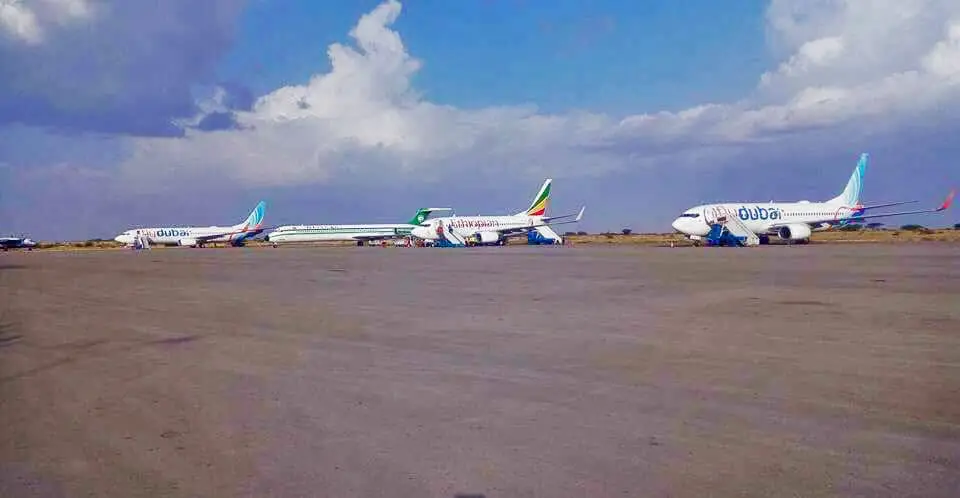
Airside refers to the areas where aircraft operate, such as runways, taxiways, and aprons. Airside operations staff are responsible for:
Runway management: Keeping runways clear, safe, and operational at all times.
Aircraft movements: Coordinating takeoffs, landings, and taxiing between terminals.
Apron control: Ensuring safe and efficient parking, refueling, and turnaround of aircraft.
Wildlife management: Preventing bird strikes and other hazards.
Landside Operations:
This is the passenger-facing side of the airport, which includes check-in areas, baggage drop, security screening, immigration, and terminal facilities. Landside operations focus on:
Passenger flow management: Reducing congestion at check-in counters, security, and boarding gates.
Ground transport: Coordinating taxis, buses, car rentals, and parking facilities.
Customer service: Ensuring passengers feel informed, assisted, and welcomed.
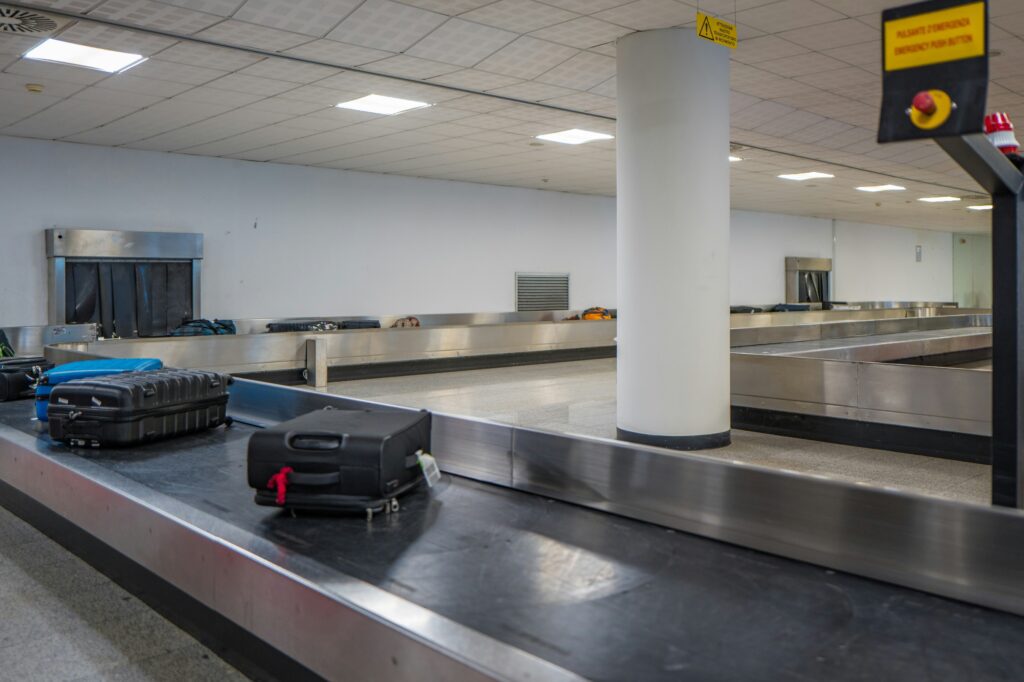
Baggage and Cargo Handling
Behind the scenes, an airport manages thousands of bags and tons of cargo daily. Operations here include:
Sorting and tracking: Ensuring luggage gets to the right aircraft and arrives with passengers.
Security screening: Checking baggage for prohibited items.
Cargo management: Handling freight, perishables, and special goods with care and efficiency.
https://www.eurocontrol.int/user-group/airport-operations-team
Airport Security
Security is one of the most critical functions at any airport. It includes:
Passenger and baggage screening with X-ray and scanning technology.
Access control: Restricting entry to secure zones.
Emergency response: Preparedness for fire, medical incidents, or security breaches.
Maintenance and Facility Management
Airports are massive facilities with infrastructure ranging from lighting and air conditioning to escalators, elevators, and runways. Proper maintenance ensures smooth operations and passenger comfort.
Why Airport Operations Matter
An airport is not just a transit point—it is the heartbeat of global aviation. Efficient operations ensure:
Safety: By adhering to international aviation standards, airports minimize risks to passengers, staff, and aircraft.
Security: Strong security protocols protect travelers from potential threats and instill confidence in flying.
Punctuality: A delayed flight can affect dozens of connections. Efficient operations ensure aircraft leave on time.
Profitability: Airports generate revenue from airlines (landing fees, parking) and passengers (shopping, parking, services). Efficient operations maximize these streams.
Passenger Experience: A seamless journey through check-in, security, and boarding leaves travellers satisfied and more likely to return.
Technological Advancements in Airport Operations
Modern airports rely heavily on technology to improve efficiency and passenger experience. Some innovations include:
Self-service kiosks and e-gates: Speed up check-in and immigration.
Automated baggage systems: Track and route luggage with minimal human error.
Airport Collaborative Decision-Making (A-CDM): A system that shares real-time data among airlines, ground handlers, and air traffic control to optimize turnaround times.
Smart security systems: Biometric identification, CT scanners, and AI-powered surveillance for faster and more accurate screening.
Sustainability technologies: Solar-powered lighting, energy-efficient terminals, and green ground vehicles reduce costs and environmental impact.
Challenges in Airport Operations
Running an airport is not without challenges. Some of the main issues include:
Congestion: Many airports struggle with overcrowding due to growing passenger numbers, especially during peak travel seasons.
Weather disruptions: Fog, storms, and snow can paralyze operations, causing massive delays.
Security threats: Airports must constantly adapt to new forms of threats, requiring heavy investment in security measures.
Infrastructure limitations: Outdated terminals, limited runways, or insufficient parking bays can create bottlenecks.
Cost pressures: Balancing profitability while investing in modernization is a constant struggle.
Case Study: Hargeisa International Airport (Somaliland)
To bring this discussion closer to home, let us consider Hargeisa International Airport in Somaliland. While it is not as large as global hubs like Dubai or Heathrow, it plays a vital role in connecting Somaliland to the world.
Current Strengths:
It serves as the main gateway for international travelers and diaspora communities.
The airport has undergone modernization projects in recent years, including runway upgrades.
It provides essential services for both passenger flights and humanitarian cargo.
Operational Challenges:
Limited capacity during peak travel times.
Shortage of modern equipment such as advanced baggage handling systems.
Need for better digitalization in passenger check-in and boarding processes.
Infrastructure that struggles to meet international benchmarks for safety and security.
Opportunities for Improvement:
Introducing more self-service systems to reduce congestion.
Expanding terminal facilities to improve passenger flow.
Training airport staff in customer service, crisis management, and operational efficiency.
Attracting more airlines to increase connectivity and boost revenue.
By addressing these operational challenges, Hargeisa International Airport could position itself as a reliable regional hub, contributing significantly to Somaliland’s economy and global reputation.
The Future of Airport Operations
The next generation of airports will look very different from what we know today. Several trends will shape future operations:
Automation and AI: From check-in to baggage handling, automation will reduce waiting times and human errors.
Biometric travel: Passengers may move through the airport using only their face or fingerprints as identification.
Smart airports: Digital twin technology and real-time data sharing will enable airports to predict and solve problems before they occur.
Sustainability focus: More airports will adopt green energy, electric ground vehicles, and eco-friendly designs.
Passenger-centric design: Future airports will focus on comfort, convenience, and seamless travel experiences.
https://www.iata.org/en/training/courses/airport-operations/apc001eben01/en
Conclusion
Airports are far more than just departure and arrival points. They are complex systems that must ensure safety, security, punctuality, profitability, and efficiency—day after day, flight after flight. The success of an airport depends not only on its infrastructure but also on the dedication of its workforce, the smart use of technology, and the ability to adapt to challenges.
For regions like Somaliland, investing in modern and efficient airport operations can transform connectivity, attract investment, and enhance global recognition.
Call-to-Action
At Sky Aviation Consulting, we help airports design and implement effective operational strategies. From safety management and staff training to digital transformation and efficiency improvement, our expertise can support airports in becoming reliable, profitable, and future-ready.
Contact us today to explore how we can help your airport achieve operational excellence.