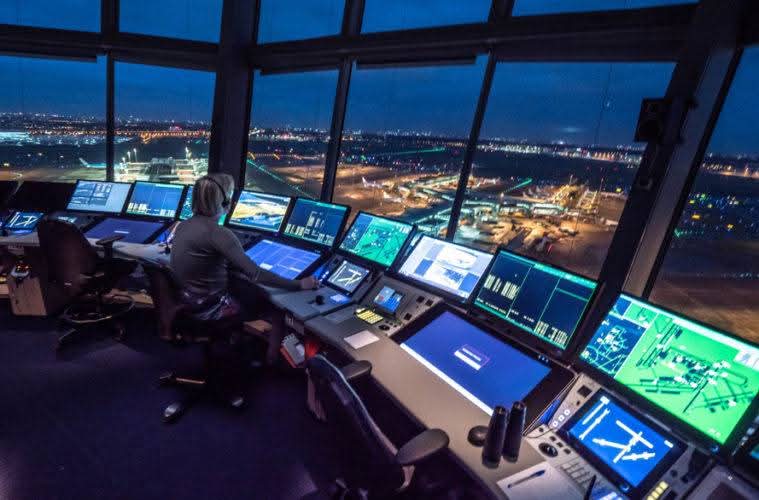
When we look up at the sky and see planes flying in different directions, it might seem like a chaotic dance. But in reality, every one of those aircraft is part of a carefully managed system designed to keep passengers safe and ensure that flights run smoothly. This invisible network is called Air Traffic Management (ATM), and it’s one of the most critical pillars of modern aviation. Without it, flying would be unsafe, inefficient, and unpredictable.
Air Traffic Management doesn’t get the same attention as shiny new aircraft or glamorous airport terminals, but it is the backbone of aviation. Every flight, whether it’s a short domestic hop or a long-haul international journey, depends on ATM systems to guide planes through crowded skies. Let’s explore how it all works, why it matters, and how it’s changing with technology.
Table of Contents
What Exactly Is Air Traffic Management?
Air Traffic Management is the system that ensures all aircraft flying in a region move safely and efficiently. It’s made up of three main parts:
Air Traffic Control (ATC): This is the most familiar part, where air traffic controllers monitor aircraft and give instructions for takeoffs, landings, and routes.
Airspace Management: This is about designing and organizing the airspace itself, making sure there are safe corridors for planes to fly through and that military and civilian users can share airspace effectively.
Air Traffic Flow Management: This deals with managing the overall volume of traffic so that airports and airspace don’t become overwhelmed, especially during busy times.
Together, these functions ensure that planes don’t collide, flights stay on schedule, and fuel is used efficiently.
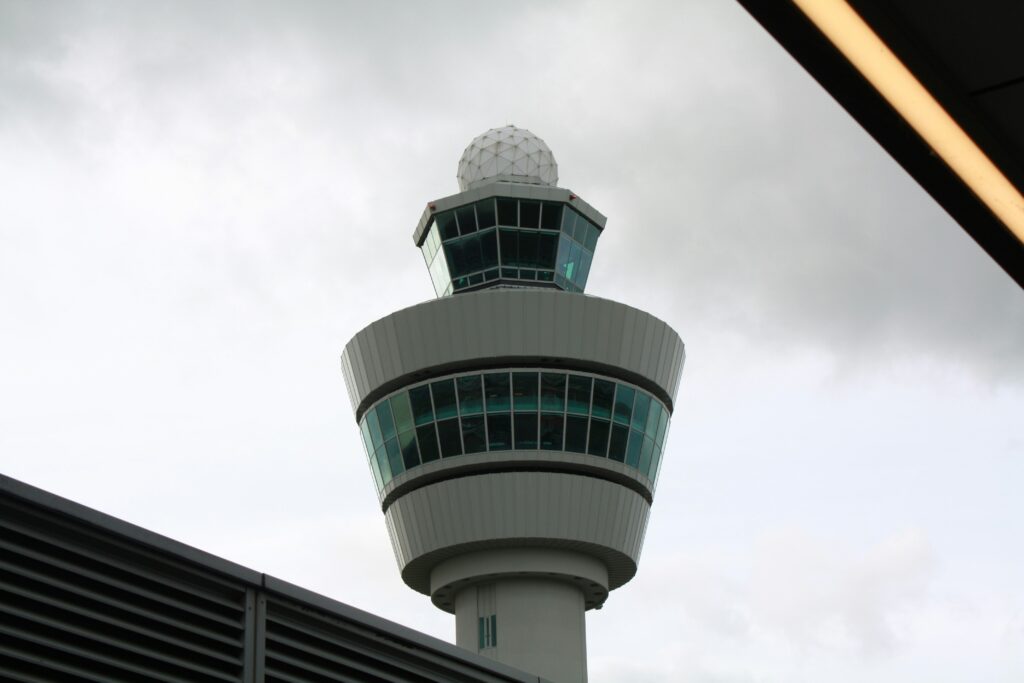
The Human Side: Air Traffic Controllers
At the heart of ATM are air traffic controllers. These professionals work under high pressure, often managing dozens of aircraft at once. Using radar, radio communication, and increasingly advanced software, they give pilots instructions to maintain safe distances, change altitudes, or reroute when weather becomes an issue.
Think of them as conductors of an orchestra. Each airplane is like an instrument, and without the controller keeping everything in harmony, the result would be chaos. A single mistake could be costly, which is why controllers go through intense training and are considered some of the most skilled workers in aviation.
Why Air Traffic Management Is So Important
Safety First: The most important role of ATM is preventing collisions. With thousands of flights happening every day around the world, this is no small task.
Efficiency: ATM helps minimize delays by guiding planes along the best routes and scheduling takeoffs and landings in an orderly way.
Environmental Benefits: By optimizing routes and reducing holding times, ATM cuts down on fuel use, which lowers costs for airlines and reduces emissions.
Crisis Response: During emergencies like bad weather, security threats, or technical problems, ATM plays a vital role in rerouting traffic and keeping things under control.
Without these systems, our skies would quickly become unsafe and unreliable.
https://www.iata.org/en/programs/ops-infra/air-traffic-management
The Technology Behind the System
ATM has come a long way from the early days of aviation, when controllers relied mostly on voice communication and paper strips to track aircraft. Today, modern systems use radar, satellites, and digital data links. Some of the most important technologies include:
Radar Systems: These allow controllers to “see” aircraft and monitor their position and speed.
Automatic Dependent Surveillance-Broadcast (ADS-B): This is a satellite-based system where aircraft broadcast their exact position to controllers and nearby planes. It’s more accurate than radar and works in remote areas where radar can’t reach.
Data Communication: Instead of relying only on voice radio, modern systems use digital text messages between pilots and controllers, reducing misunderstandings.
Decision Support Tools: These are software systems that analyze traffic patterns and suggest the best routes to minimize congestion.
With these tools, controllers can manage more aircraft safely and with greater precision than ever before.
Challenges in Air Traffic Management
Despite its importance, ATM faces some big challenges:
Growing Demand: Air traffic is increasing worldwide, especially in Asia and Africa. Current systems are struggling to keep up with this rapid growth.
Fragmented Systems: Different countries often have different technologies and procedures, making it hard to manage traffic smoothly across borders.
High Costs: Modernizing ATM infrastructure requires huge investments, which not all countries can afford.
Human Pressure: Air traffic controllers face intense workloads, leading to stress and fatigue, which can affect performance.
These challenges highlight why constant modernization and training are essential.
The Future of Air Traffic Management
The future of ATM lies in more automation, better connectivity, and sustainability. Some of the upcoming innovations include:
NextGen (USA) and SESAR (Europe): These are large-scale projects aimed at modernizing air traffic systems with satellite navigation and digital communication.
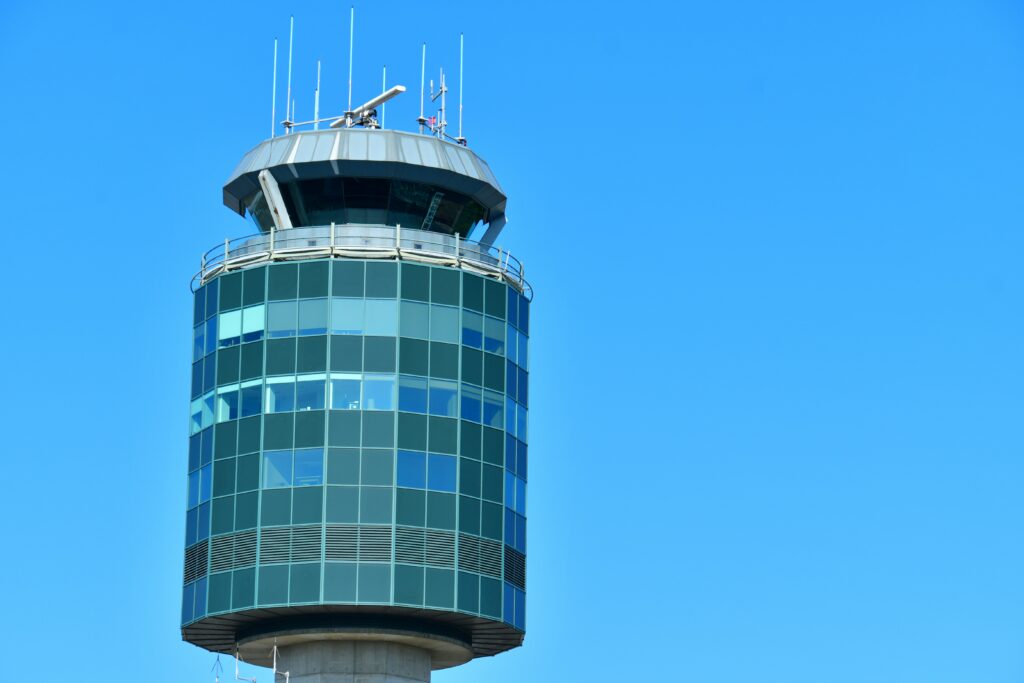
Remote Towers: Instead of being physically at the airport, controllers can manage multiple airports from a central location using high-definition cameras and sensors.
Artificial Intelligence (AI): AI systems are being developed to help predict traffic patterns, weather disruptions, and even assist controllers in decision-making.
Greener Skies: Future ATM systems will focus heavily on sustainability by designing shorter, more fuel-efficient routes and reducing time spent circling airports.
These changes will make flying safer, faster, and more eco-friendly.
https://www.icao.int/air-traffic-management-atm
Why It Matters for Africa
Africa’s aviation industry is growing rapidly, but ATM systems across the continent vary widely in quality. Some regions still rely on outdated technology, while others are adopting modern systems like ADS-B. Improving ATM in Africa is not just about safety—it’s also about unlocking economic opportunities.
Better air traffic systems mean more reliable flights, which can encourage more airlines to operate in Africa, boost tourism, and improve trade connections. For countries investing in aviation growth, ATM modernization should be at the top of the priority list.
Conclusion
Air Traffic Management may be invisible to passengers, but it is the silent guardian of aviation. It ensures that millions of people can fly every day without worrying about safety. From the controllers guiding planes to the technology that keeps skies organized, ATM is what makes modern air travel possible.
As skies grow busier and the industry looks toward a greener future, ATM will play an even greater role in shaping aviation. Countries that invest in modern air traffic systems will benefit from safer, more efficient, and more sustainable skies.
Call-to-Action
At Sky Aviation Consulting, we understand the importance of safe and efficient air traffic systems. Our training and advisory services help civil aviation authorities and air navigation service providers adopt modern practices, upgrade systems, and prepare their staff for the future of aviation. If your country or organization is ready to take air traffic management to the next level, connect with us today