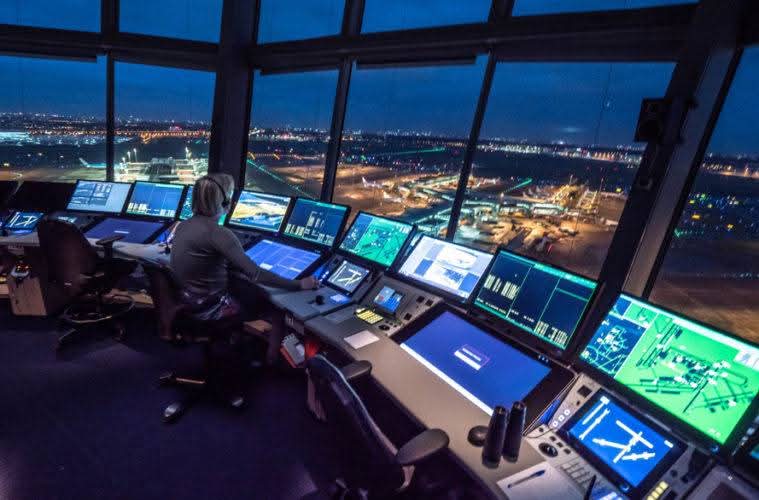
When passengers board a plane, their attention is often on the visible parts of aviation—aircraft design, cabin service, or even the airport experience. Yet, behind every smooth take off and safe landing lies an invisible network of systems and professionals working tirelessly. These are the Air Navigation Services (ANS).
Without air navigation services, modern aviation would not be possible. They are the unseen backbone of global aviation, ensuring aircraft move safely and efficiently through increasingly crowded skies. From guiding planes during departure and en route to overseeing their safe arrival, ANS providers are the guardians of the air.
As the demand for air travel continues to rise, especially across Africa and other emerging regions, strengthening and modernizing ANS is becoming more critical than ever. Let’s explore what ANS entails, its components, the challenges it faces, and the opportunities for the future.
Table of Contents
What Are Air Navigation Services?
Air Navigation Services refer to the systems, procedures, and professionals that manage air traffic to ensure safe, orderly, and efficient flight operations. Think of them as the air traffic police and navigational engineers rolled into one.
Their primary mission is threefold:
Safety – Keeping aircraft safely separated to prevent accidents.
Efficiency – Helping airlines optimize routes and reduce delays.
Sustainability – Lowering fuel burn and emissions by enabling smarter flight paths.
In practice, this means ANS ensures that thousands of planes flying at any given moment can share the same skies without conflict.

Core Components of Air Navigation Services
ANS is a complex ecosystem made up of various services and technologies working together seamlessly.
Air Traffic Control (ATC): The most visible part of ANS, ATC manages the safe and efficient movement of aircraft. Controllers guide planes during takeoff, en route, and landing, ensuring they maintain safe separation and follow assigned routes.
Communication Systems: Clear communication between pilots and controllers is non-negotiable. Radios, satellite communications, and increasingly digital networks allow instant, reliable exchanges of instructions and updates.
Navigation Aids (NAVAIDs): Systems such as the Instrument Landing System (ILS), GPS, and radar help pilots follow precise routes, especially in poor weather. These tools enable accurate positioning and smooth arrivals.
Surveillance Systems: Modern radar and Automatic Dependent Surveillance–Broadcast (ADS-B) track aircraft positions in real time. Surveillance ensures that controllers always know where every plane is, which is critical for safety.
Together, these components create a structured, safe environment for flights, no matter how busy the skies become.
The Role of ANS in Efficiency and Safety
Air Navigation Services do more than prevent collisions. They are central to making aviation practical, affordable, and sustainable.
Improved Punctuality: Efficient routing and traffic management reduce delays, ensuring passengers arrive on time.
Fuel Optimization: By enabling shorter, more direct routes, ANS helps airlines cut fuel use and emissions.
Accident Prevention: Through separation standards, continuous monitoring, and strict procedures, ANS significantly reduces risks.
For passengers, the result is invisible but deeply valuable—fewer disruptions, more reliable schedules, and peace of mind knowing their safety is in expert hands.

Modernization of Air Navigation Services
As skies get busier, traditional systems alone cannot handle the load. Modern technology is transforming ANS in several exciting ways:
Satellite-Based Navigation: Reliance on ground-based radar is gradually being replaced by satellite navigation. This allows aircraft to fly more direct, flexible routes even in remote areas with little infrastructure, such as deserts or oceans.
Automated Systems: Automation assists controllers by handling repetitive tasks, analyzing traffic data, and predicting conflicts. This reduces human workload while improving safety.
Digital and Remote Towers: Instead of having a physical tower at every airport, digital tower technology allows controllers to manage air traffic remotely using high-definition cameras and sensors. This is particularly valuable for smaller or regional airports where building a traditional tower is too costly.
These innovations not only improve efficiency but also open new opportunities for regions with limited resources.
Challenges Facing Air Navigation Services
Despite the progress, ANS providers around the world face significant challenges—many of which are particularly pressing in Africa and developing markets.
Growing Air Traffic: The number of flights is increasing rapidly, putting pressure on outdated systems and infrastructure. Without modernization, congestion and delays will worsen.
Training and Workforce Development: Air traffic controllers are highly skilled professionals. Training them takes years, and the demand for skilled staff is growing faster than supply.
High Costs of Modernization: Implementing new technologies such as satellite navigation or remote towers requires significant investment. For many states, financing these upgrades is difficult.
Technological Adaptation: Even when systems are installed, ensuring they work seamlessly with existing infrastructure—and training staff to use them effectively—can be complex.
Addressing these challenges requires not just investment but also regional cooperation and strong planning.
https://www.icao.int/sustainability/Pages/eap-im-air-navigation-services.aspx
Africa’s Perspective: Opportunities in Modernization
Africa’s aviation sector is one of the fastest growing in the world, but fragmented airspace and outdated infrastructure continue to hold it back. Air Navigation Services modernization could be a game-changer for the continent:
Harmonized Airspace: Through projects like the Single African Air Transport Market (SAATM), cooperation between countries could simplify airspace management, making flights smoother and cheaper.
Satellite Technology: Since satellites do not require physical radar stations everywhere, African states can leapfrog some of the limitations of ground-based systems.
Digital Towers: Remote tower technology could make it possible for smaller airports to provide world-class air navigation services without building costly infrastructure.
If implemented strategically, these improvements could make African skies safer, cheaper, and more attractive to global airlines.
Conclusion
Air Navigation Services may be invisible to the average passenger, but they are the foundation of aviation safety and efficiency. From guiding planes through crowded skies to reducing emissions with smarter routes, ANS is vital for the industry’s growth and sustainability.
As traffic increases and the world demands more efficient operations, investing in ANS modernization is not optional—it is essential. With advanced technology, highly trained personnel, and stronger regional cooperation, the future of air navigation can be safer, greener, and more reliable.
Call-to-Action
At Sky Aviation Consulting, we help Air Navigation Service providers and regulators modernize their operations. From safety audits and efficiency reviews to the integration of cutting-edge technologies, our expertise ensures that your skies remain safe and competitive.
Contact us today to discuss how we can support your journey toward world-class air navigation services.