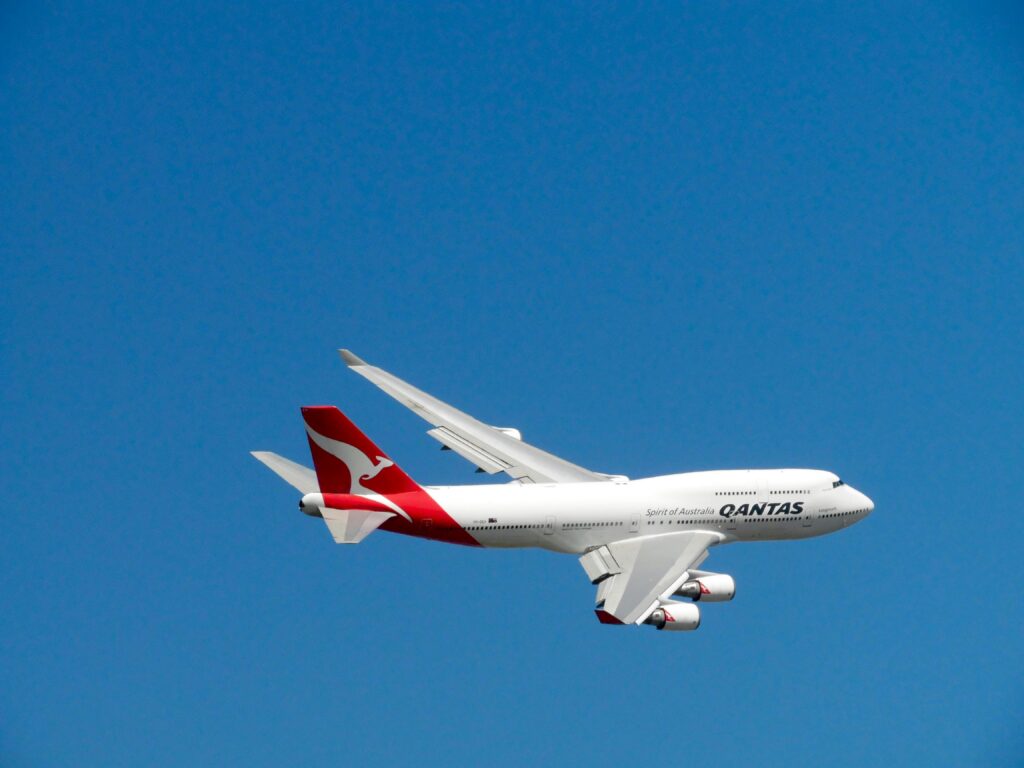
Africa’s skies are changing. More people are flying than ever before—whether for business, family visits, tourism, or trade. Airlines are expanding their networks across the continent, connecting cities that once felt far apart. Airports are busier, passenger numbers are rising, and aviation is playing a greater role in Africa’s economic growth story.
But with this growth comes a new challenge. The same skies that bring opportunity can also become congested if they are not managed well. Delays, inefficiencies, and outdated systems can hold back progress. This is where modern Air Traffic Management (ATM) comes in. Modernising Africa’s airspace is not just a technical requirement—it is a crucial step for safety, efficiency, sustainability, and ultimately for unlocking Africa’s aviation potential.
Table of Contents
Why Airspace Modernisation Matters
When we talk about airspace modernisation, it is easy to think only about new technology—satellites, surveillance systems, or navigation tools. But in reality, modernisation is much bigger than that. It is about creating a system where aircraft can move smoothly, safely, and efficiently across borders.
For airlines, this means reduced operating costs, shorter flight times, and fewer delays. For passengers, it translates into a more reliable and comfortable journey. And for the environment, modern systems allow aircraft to fly more direct routes, cutting down on unnecessary fuel burn and lowering emissions.
Think about a simple example: imagine a plane flying from Nairobi to Lagos. Under older systems, that plane might have to zigzag around outdated airspace structures, adding unnecessary miles to its journey. Each extra mile means more fuel, higher costs, and greater emissions. Now imagine the same journey using modern air traffic systems—straight, precise routes guided by satellites. The difference is millions of dollars saved in fuel across the continent each year, along with significant environmental benefits.
So, airspace modernisation isn’t just about making life easier for pilots or controllers. It touches passengers’ wallets, airline profitability, and the global fight against climate change.

Current Challenges in Africa’s Airspace
Despite encouraging progress in some regions, Africa still faces real challenges in airspace management. These challenges make flying within Africa more expensive and less efficient compared to other parts of the world.
Fragmentation of airspace – Africa is divided into more than 50 countries, and each one manages its own portion of the sky. This leads to inefficiencies, duplication of systems, and delays when flights move from one airspace to another. In Europe, regional collaboration has helped reduce such fragmentation, but Africa still has a long way to go.
Outdated infrastructure – Not every country has invested in modern radar or satellite-based systems. In some regions, controllers still rely on outdated tools that make it difficult to track aircraft effectively, especially in remote areas.
Limited training and human resources – Air traffic controllers are at the heart of aviation safety. But managing today’s growing traffic requires advanced skills and constant upgrading of knowledge. Unfortunately, many countries face shortages of well-trained professionals.
Cost of modernization – Implementing cutting-edge technology comes with a price tag. Some states struggle to finance these upgrades, especially when aviation budgets compete with other national priorities.
These challenges combine to make air travel in Africa more costly and less predictable than in other regions. But the good news is that solutions exist, and some are already being implemented.
The Promise of Modern ATM Technologies
Technology is opening doors to smarter, more efficient ways of managing air traffic. Several tools are especially promising for Africa:
Performance-Based Navigation (PBN): Instead of relying only on ground-based navigation beacons, PBN uses satellites to allow aircraft to fly direct, precise routes. This is particularly useful in regions where radar coverage is limited.
Automatic Dependent Surveillance–Broadcast (ADS-B): ADS-B allows aircraft to broadcast their exact position in real time, which can be picked up by ground stations or even satellites. This improves safety in remote regions such as deserts or oceans, where radar coverage is weak or non-existent.
Collaborative Decision Making (CDM): Modern ATM is not just about technology—it is about communication. CDM brings together airlines, airports, and air traffic controllers to share information and coordinate better. This reduces delays and improves efficiency, especially during disruptions.
These technologies are already being tested and rolled out in different parts of Africa, and the results are encouraging. For example, countries adopting PBN have seen more efficient routing and reduced fuel burn, which directly benefits both airlines and passengers.

Regional Cooperation – Breaking Down Borders in the Sky
Airspace modernization cannot succeed if every country works in isolation. Aviation, by its nature, crosses borders. That is why regional cooperation is essential.
One of the most ambitious initiatives on this front is the Single African Air Transport Market (SAATM). The goal of SAATM is to create a more unified air transport system by harmonizing regulations and encouraging regional collaboration.
When neighbouring countries agree to share aspects of airspace management, it reduces duplication and allows for smoother operations. A good example is seen in parts of West Africa, where regional air navigation service providers already manage multiple countries’ airspace. This cooperation makes it easier for airlines to plan efficient routes, saving both time and money.
The benefits of such collaboration are clear: smoother flights, lower operational costs, greater connectivity, and stronger regional integration. But achieving this requires political will, trust among states, and a shared vision of aviation as a driver of development.
The Benefits of Airspace Modernisation
When African countries invest in modern ATM and embrace regional cooperation, the rewards are significant:
Improved safety: Better surveillance and monitoring reduce risks and ensure aircraft are always tracked.
Lower costs: Airlines save money through reduced fuel burn and more efficient routes, which can eventually lower fares for passengers.
Increased capacity: Modern systems can handle more flights safely, supporting the growth of passenger numbers and cargo operations.
Environmental benefits: Direct routes and efficient operations mean lower carbon emissions—a critical issue in today’s world.
Ultimately, modernization creates a win-win situation for everyone—airlines, passengers, governments, and the environment.
Looking Ahead – What Needs to Happen Next
For Africa to fully unlock its aviation potential, modernization cannot remain just a conversation. It requires real action. Governments need to prioritize aviation as a key part of their national development agendas. Investments in infrastructure, training, and technology must be seen not as costs, but as enablers of economic growth.
At the same time, regional collaboration must go beyond agreements on paper. States need to work together in practice, sharing resources and harmonizing regulations. Aviation has the power to unite Africa, but only if the skies are managed efficiently.
https://www.heathrow.com/company/local-community/noise/airspace-modernisation
Conclusion
Africa’s skies are vast, and its aviation potential is enormous. But to make the most of these opportunities, airspace modernization is not optional—it is a necessity. Inefficient systems and fragmented management can no longer keep up with growing demand.
By embracing new technologies, investing in people, and fostering regional cooperation, Africa can create an airspace system that supports safety, growth, and sustainability. Modern ATM is the key that will allow the continent’s aviation sector to truly take off.
Call-to-Action
At Sky Aviation Consulting, we specialize in helping airlines, airports, and regulators modernize their operations. From designing efficiency strategies to supporting training and technology adoption, we provide the expertise needed to transform African aviation. If you are ready to improve efficiency, safety, and connectivity, reach out to us today—together, we can shape the future of Africa’s skies.