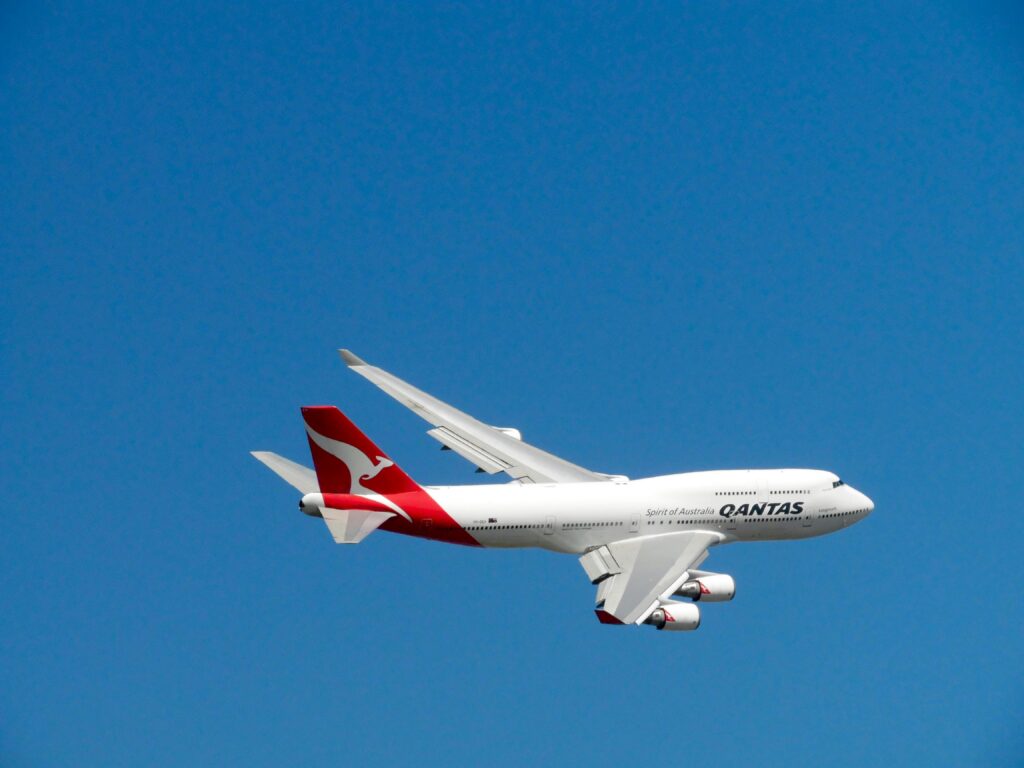
When passengers board an aircraft, they often think about the seats, the meals, or the destination. Rarely do they consider the invisible “highways in the sky” that their aircraft follows. Yet, the way airspace is designed, managed, and controlled directly affects flight safety, efficiency, punctuality, and even the environmental footprint of aviation.
Airspace management is one of the most critical functions of modern aviation. It is the invisible system that ensures thousands of aircraft can operate safely in the same sky every single day. Civil aviation authorities and air navigation service providers (ANSPs) carry out this responsibility by designing efficient airspace structures, controlling traffic flows, and deploying technology that balances safety with sustainability.
In this article, we will explore the importance of airspace management, its core components, the role of technology, environmental considerations, challenges, and the future outlook for Africa and the global aviation industry.
Table of Contents
Why Airspace Management Matters
Airspace is not just an empty sky—it is a finite and shared resource. Every aircraft, from commercial airliners and cargo freighters to military jets and drones, competes for its use. Mismanagement of this space can lead to delays, unsafe conditions, excessive fuel burn, and conflicts between different airspace users.
Effective airspace management achieves three main goals:
Safety – Preventing mid-air collisions, ensuring proper separation, and enabling controllers to handle emergencies effectively.
Efficiency – Reducing delays, optimizing flight paths, and improving traffic flow.
Sustainability – Minimizing emissions, conserving fuel, and reducing noise pollution.
For passengers, good airspace management translates into shorter flights, fewer delays, and smoother travel experiences. For airlines, it means lower operating costs, improved schedules, and greater competitiveness. For society, it contributes to safer skies and greener aviation.

Core Components of Airspace Management
Airspace management involves several interrelated functions, all designed to keep the skies organized, predictable, and efficient.
Airspace Design: Civil aviation authorities define how airspace is structured. This includes establishing controlled and uncontrolled zones, assigning flight levels, and designing route networks. Modern airspace design also incorporates flexible use of airspace (FUA), allowing civil and military users to share areas without unnecessary restrictions.
Traffic Flow Management: Just as highways need traffic lights and toll gates to avoid congestion, airspace requires flow management. ANSPs monitor demand, predict traffic volumes, and balance capacity. This ensures that airspace does not become overloaded, which could lead to dangerous situations or significant delays.
Cross-Border Coordination: Aircraft frequently cross international boundaries, making coordination between neighbouring states essential. Harmonized procedures, shared communication systems, and real-time data exchange ensure seamless flights across regions. Without such coordination, delays and miscommunication could increase risks.
Conflict Resolution and Emergency Handling: Controllers play a vital role in ensuring safe separation between aircraft. If two aircraft approach dangerously close, air traffic control (ATC) intervenes to prevent collisions. In emergencies, such as medical diversions or technical failures, airspace managers provide priority handling to support safe landings.
https://www.iata.org/en/services/consulting/safety-operations/airspace-optimization
Modern Tools and Technology in Airspace Management
Technology is the backbone of today’s airspace systems. Over the years, advances in surveillance, communication, and automation have transformed how airspace is managed.
Radar and ADS-B Systems: Traditional radar remains a cornerstone of aircraft surveillance, but Automatic Dependent Surveillance–Broadcast (ADS-B) has taken monitoring to the next level. ADS-B allows aircraft to transmit their exact position via satellite, enabling real-time tracking with greater accuracy, even in remote regions without radar coverage.
Performance-Based Navigation (PBN): PBN leverages satellite-based navigation to create more direct and flexible routes. Unlike older ground-based navigation aids, PBN allows aircraft to fly precise paths, saving time and fuel. It is especially beneficial for regions with difficult terrain or limited infrastructure.
Automation and Artificial Intelligence (AI): Predictive tools powered by AI can anticipate traffic demand, identify potential conflicts, and recommend solutions. Automation reduces controller workload, allowing them to focus on decision-making in complex scenarios.
Digital Communication (CPDLC): Controller–Pilot Data Link Communications (CPDLC) allows pilots and controllers to exchange digital messages instead of relying solely on voice communication. This reduces misunderstandings, improves efficiency, and enhances safety.
Together, these technologies are reshaping airspace management into a smarter, more predictive, and more efficient system.

Environmental Considerations in Airspace Management
Aviation’s environmental footprint is a growing concern worldwide, and airspace management plays a crucial role in mitigating it. Efficient airspace design and route optimization directly reduce fuel consumption and emissions.
Fuel Efficiency: By designing shorter, more direct flight paths, airlines can save millions of litres of fuel annually.
Lower Carbon Emissions: Optimized routing cuts CO2 emissions, supporting global goals for sustainable aviation.
Noise Reduction: Airspace redesign can reroute flights away from heavily populated areas, minimizing noise impact on communities near airports.
In Africa, where air traffic is growing rapidly, adopting environmentally conscious airspace strategies early will help avoid future congestion while supporting sustainable development.
https://skybrary.aero/articles/classification-airspace
Challenges in Airspace Management
Despite its benefits, airspace management faces significant challenges:
Rising Traffic Volumes: Global passenger and cargo demand continues to grow, placing pressure on existing systems. African airspace, in particular, must prepare for future expansion by adopting modern practices now.
Cost of Technological Upgrades: Implementing new systems such as ADS-B, PBN, and AI-based platforms requires significant investment. For developing countries, funding these improvements remains a major hurdle.
International Coordination: Since airspace does not stop at borders, neighbouring states must align regulations, procedures, and technology. Differences in standards can lead to inefficiencies, delays, and risks.
Integration of Drones and Emerging Air Mobility: With drones and urban air mobility vehicles entering the skies, authorities face the challenge of integrating new types of aircraft into already busy airspace safely.
The Future of Airspace Management
The future of airspace management is promising but requires collaboration, investment, and innovation. Key trends include:
Satellite-Based Management: Moving away from ground-based systems toward fully satellite-reliant operations.
AI and Predictive Analytics: Anticipating demand surges, weather disruptions, and potential conflicts before they occur.
Cross-Border Harmonization: Regional cooperation, particularly in Africa, will be vital to unlocking seamless connectivity. Initiatives such as the Single African Air Transport Market (SAATM) will only succeed if backed by efficient airspace management.
Sustainable Aviation Goals: Optimizing airspace will remain a central pillar in reducing emissions and achieving climate targets.
In short, the skies of tomorrow will be smarter, greener, and more interconnected than ever before.
Conclusion
Airspace management may be invisible to the average traveler, but it is one of the most important functions of aviation. By carefully designing routes, managing traffic, coordinating internationally, and adopting new technologies, aviation authorities ensure that passengers travel safely, efficiently, and sustainably.
For Africa and other fast-growing aviation regions, investing in modern airspace management is not optional—it is essential. It will unlock connectivity, reduce costs, enhance passenger experience, and protect the environment.
Call-to-Action
At Sky Aviation Consulting, we specialize in guiding civil aviation authorities, ANSPs, and governments in airspace design, traffic flow optimization, and modernization strategies. With expertise rooted in both global best practices and African realities, we help you build airspace systems that are safe, efficient, and future-ready.
Contact us today to begin modernizing your skies and shaping the future of aviation in your region.