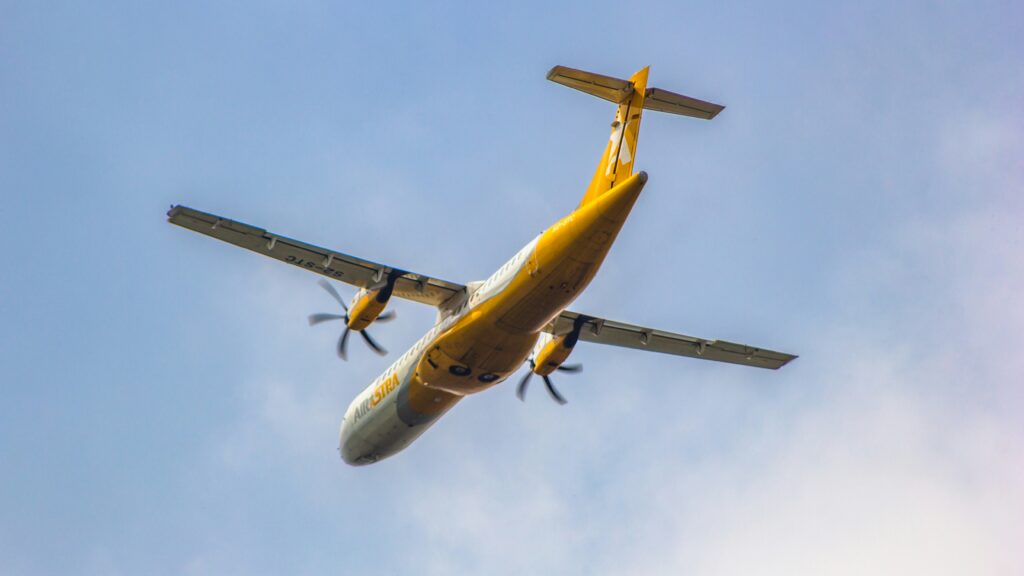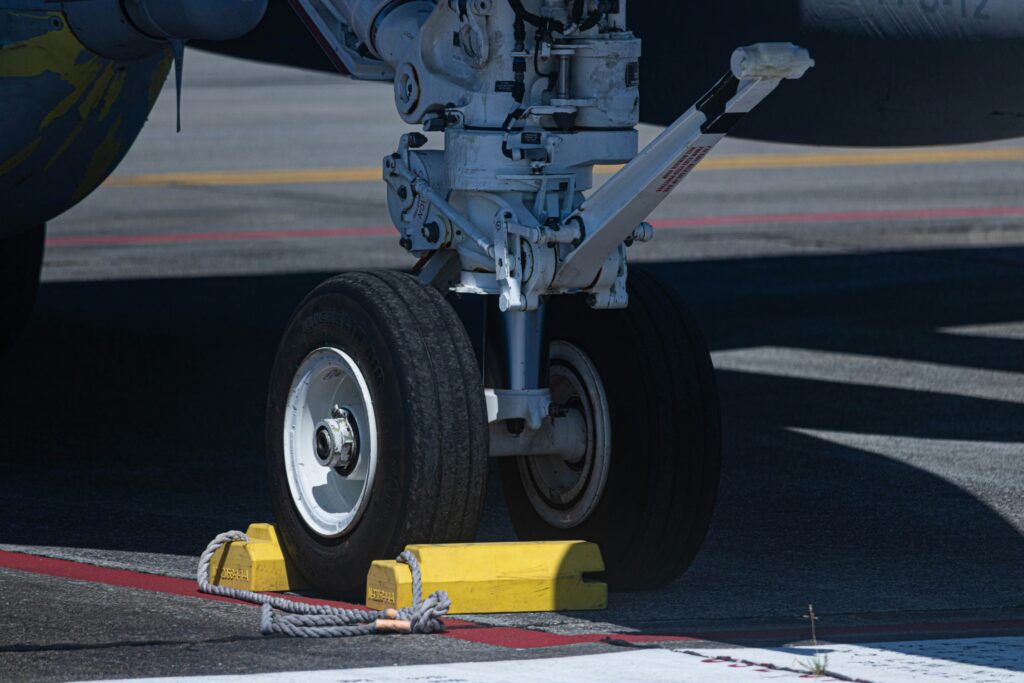
When we step onto an airplane, we rarely stop to think about the amount of work that goes on behind the scenes to make our flight safe. We trust that the airline is professional, the crew is well-trained, and the aircraft is in excellent condition. But who makes sure all of that is really true? The answer lies in something called state safety oversight, which is one of the most important responsibilities of civil aviation authorities (CAAs) around the world.
Safety oversight may sound like a technical phrase, but in simple terms, it means this: the aviation regulator in each country keeps a close watch on airlines, airports, pilots, engineers, and everyone else in the system to make sure they are following international safety rules. Without this oversight, the aviation industry would not be as safe, efficient, or trusted as it is today.
In this article, we will explore what state safety oversight really means, why it matters, how it works, the challenges it faces, and what can be done to strengthen it—especially in countries that are still developing their aviation sectors.
Table of Contents
Why State Safety Oversight Matters
Aviation is built on trust. Passengers board airplanes every day believing that the aircraft is airworthy, the crew is competent, and the airport is secure. This trust is not automatic—it is earned through strict safety oversight by the regulator.
Without oversight, airlines might cut corners to save money, airports might not maintain runways properly, and pilots might not get the training they need. In such a system, accidents would become far more common, and public confidence would collapse. Effective oversight protects lives, builds confidence, and allows aviation to continue as the safest mode of transportation in the world.
Another important reason is international credibility. Aviation is a global industry. If a country is seen as weak in safety oversight, foreign airlines may avoid it, insurers may raise costs, and passengers may be reluctant to travel there. On the other hand, countries with strong oversight are able to attract more international flights, investment, and tourism.
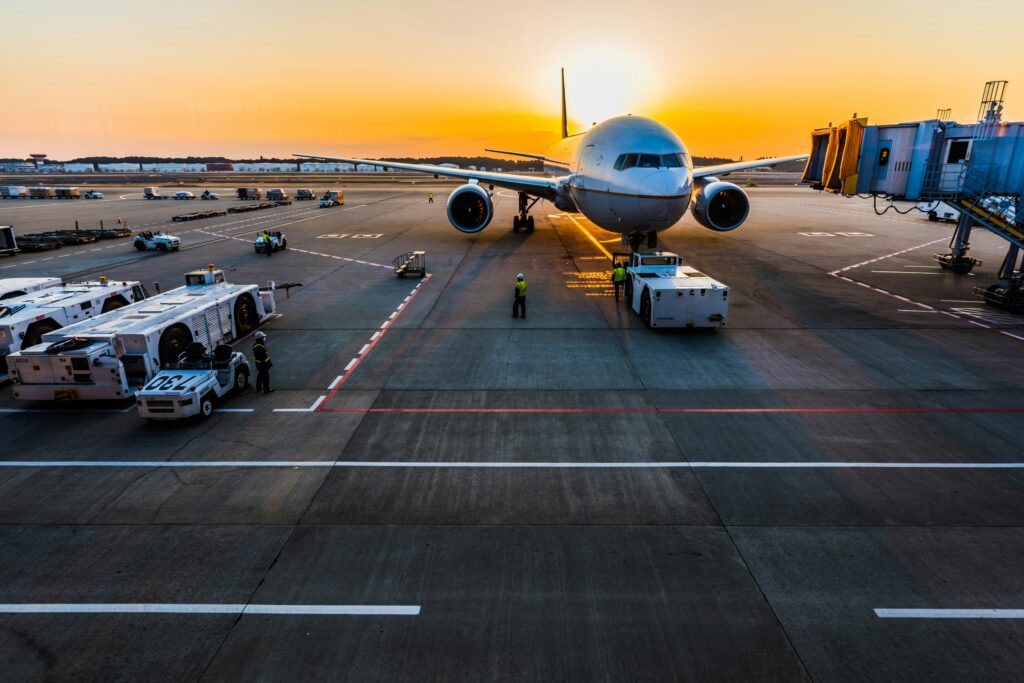
The Role of Civil Aviation Authorities
Civil aviation authorities (CAAs) are the watchdogs of the industry. Their job is to make sure that aviation in their country runs safely and in compliance with international rules. They do this in several key ways:
Certification – Before an airline can operate, or before an airport can accept flights, they must be certified by the CAA. This means the regulator has checked that they meet the necessary safety standards. The same applies to pilots, engineers, and maintenance organizations.
Monitoring and inspections – Certification is not a one-time event. The CAA must continuously monitor operations. Inspectors conduct regular audits, ramp inspections, simulator checks for pilots, and detailed reviews of maintenance records to make sure compliance is ongoing.
Policy development – The CAA also writes the rules of the game. It develops aviation laws, regulations, and procedures based on international standards, but tailored to the country’s needs.
Incident and accident investigation – When something goes wrong, the CAA investigates. The purpose is not to assign blame, but to find out what happened and prevent it from happening again.
Through these functions, the CAA becomes the cornerstone of aviation safety in every nation.
International Standards and ICAO’s Role
No country regulates aviation in isolation. The International Civil Aviation Organization (ICAO), a United Nations body, sets the global standards for safety oversight. These are found in the 19 Annexes to the Chicago Convention, which cover everything from personnel licensing to aircraft operations, airworthiness, accident investigation, and safety management.
For example:
Annex 1 deals with the licensing of flight crew, air traffic controllers, and engineers.
Annex 6 covers aircraft operations and how airlines must be run.
Annex 8 sets standards for the airworthiness of aircraft.
Annex 19 focuses on safety management systems (SMS), which are modern tools for managing risks proactively.
Each country must align its own regulations with ICAO standards. To ensure compliance, ICAO carries out audits under its Universal Safety Oversight Audit Programme (USOAP). These audits examine whether countries are meeting their responsibilities as regulators. A poor audit score can damage a state’s aviation reputation and limit its international connections.
https://www.icao.int/CDI/state-safety-programme
Key Elements of State Safety Oversight
To better understand how oversight works, ICAO has identified eight critical elements that every state must have:
Primary legislation – A strong legal foundation for aviation safety.
Specific operating regulations – Clear rules for operators, airports, and service providers.
Civil aviation authority – An independent body with enough authority and resources.
Qualified technical personnel – Inspectors, engineers, and experts who know what they are doing.
Technical guidance and tools – Manuals, procedures, and systems to help inspectors work consistently.
Certification and approval – A reliable process to issue and renew licenses, certificates, and approvals.
Surveillance – Continuous monitoring of compliance through inspections and audits.
Resolution of safety concerns – The ability to take action if problems are found, including fines, suspensions, or grounding of aircraft.
If one of these elements is missing or weak, the whole oversight system can break down.
https://www.iata.org/en/training/courses/state-safety-program/sac042veen02/en
The Challenges Many States Face
While the theory of safety oversight is clear, putting it into practice can be difficult, especially in countries with limited resources. Some of the most common challenges include:
Funding and staffing shortages – A CAA needs skilled inspectors, but training them is expensive. Some states struggle to pay salaries that can compete with airlines, leading to a shortage of qualified personnel.
Technological gaps – Modern aircraft and air traffic management systems are highly advanced. Regulators must keep up with these technologies, but not all states have access to the latest tools or training.
Rapid traffic growth – In regions like Africa, Asia, and the Middle East, aviation is expanding quickly. Oversight systems often grow more slowly, creating a gap between the number of flights and the regulator’s ability to monitor them.
Political interference – In some cases, governments interfere with the independence of CAAs, making it difficult for them to enforce safety rules on national airlines or airports.
Building Stronger Oversight Systems
The good news is that solutions exist. Countries that invest in oversight can strengthen their aviation sector and reap the benefits. Some key steps include:
Investing in training – Continuous education for inspectors ensures they remain up to date with global standards and new technologies.
Adopting safety management systems (SMS) – Instead of waiting for accidents to happen, SMS allows regulators and operators to identify risks early and prevent them.
Regional cooperation – Smaller countries can share resources through regional oversight organizations. For example, African states have formed cooperative bodies to pool inspectors and expertise.
Using technology – Digital platforms, electronic record keeping, and data analysis tools can help regulators monitor compliance more efficiently.
Building independence – A strong CAA must be financially and politically independent so it can make safety decisions without pressure.

Conclusion
State safety oversight may not be something passengers think about every day, but it is the invisible shield that protects us every time we fly. Civil aviation authorities, guided by ICAO standards, work tirelessly to make sure that airlines, airports, and aviation professionals maintain the highest levels of safety.
While challenges exist—especially in developing states—the path forward is clear: invest in people, adopt modern safety tools, and build strong oversight systems. Countries that take oversight seriously not only keep their skies safe but also build international credibility, attract investment, and grow their aviation industries.
At the end of the day, safe skies are not a matter of luck—they are the result of rigorous, continuous, and effective safety oversight.
Call-to-Action
At Sky Aviation Consulting, we specialize in helping civil aviation authorities strengthen their safety oversight systems. From training inspectors to implementing State Safety Programs and preparing for ICAO audits, we provide practical solutions tailored to your needs. Contact us today to make your oversight framework stronger and your skies safer.