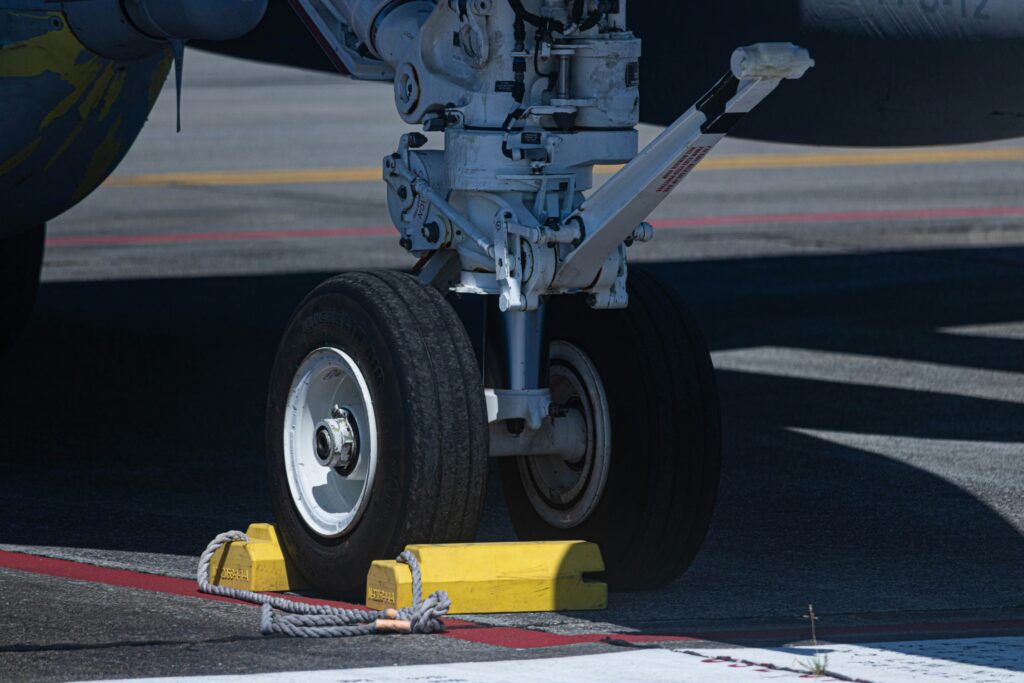
In aviation, nothing is more important than safety. While passengers often take safety for granted, those who work in the industry know that every safe flight is the result of thousands of details coming together perfectly. From the maintenance of the aircraft to the decisions of the pilot and the efficiency of air traffic control—everything must align to keep passengers safe.
But how does the aviation industry make sure safety is not left to chance? The answer lies in something called a Safety Management System (SMS). Over the last two decades, SMS has become one of the most important tools for modern aviation, changing the way airlines, airports, and regulators think about safety.
Table of Contents
What exactly is an SMS?
At its core, a Safety Management System is a structured and organized way of managing safety risks. Instead of waiting for accidents to happen and then reacting, SMS focuses on spotting risks before they turn into incidents. Think of it as a preventive shield, helping organizations identify hazards early and deal with them systematically.
The International Civil Aviation Organization (ICAO) has outlined four core components of SMS:
Safety Policy – A clear commitment from the top leadership to put safety first. Without leadership buy-in, safety programs often fail.
Safety Risk Management – Processes to identify hazards, assess the risks, and decide how to reduce them.
Safety Assurance – Continuous monitoring through audits, inspections, and performance tracking to make sure safety practices are working.
Safety Promotion – Building a culture of safety through training, open communication, and encouraging staff to report issues.
Together, these elements turn safety into a living, breathing part of an organization—not just a manual sitting on a shelf.

Why SMS Matters So Much in Africa
For Africa, SMS is more than just a requirement—it’s a game-changer. The continent has made great progress in aviation safety over the past two decades, but challenges still remain. Infrastructure gaps, limited resources, and sometimes weak oversight have created risks in the past. By implementing strong SMS practices, African airlines and airports can improve safety records, increase international credibility, and attract more passengers who trust the system.
For example, when African airlines implement SMS effectively, they not only reduce the chance of accidents but also comply with ICAO standards, making it easier to gain approvals for international routes. In short, SMS is not only about protecting lives—it’s also about growing business opportunities.
Bringing SMS to Life: From Theory to Practice
One of the criticisms of SMS is that some organizations see it as just a “tick-box exercise” to please regulators. That’s a dangerous mindset. For SMS to really work, it needs to be woven into everyday operations. Let’s look at how organizations can make it practical.
1. Top Management Commitment
Change starts at the top. Leaders must show by their actions—not just words—that safety is a priority. This means allocating budgets for training, updating equipment, and ensuring reporting systems are simple and effective. When staff see that management takes safety seriously, they are more likely to follow.
2. Hazard Identification
Every workplace in aviation has hazards: a slippery floor in a hangar, outdated equipment, or miscommunication between ground crew and pilots. SMS encourages staff to identify these hazards and report them without fear of punishment. Some of the most successful airlines run anonymous reporting systems that allow staff to share issues freely.
3. Risk Assessment and Mitigation
Once a hazard is identified, the next step is to assess how serious it is. For example, a faulty baggage conveyor belt may seem minor, but what if it causes delays that push pilots to rush pre-flight checks? SMS helps organizations analyze risks not in isolation but in terms of their bigger impact. Mitigation can be as simple as changing procedures or as complex as investing in new technology.
4. Safety Assurance
SMS is not a one-time project. Continuous monitoring is vital. Airlines and airports should run regular audits, review safety performance indicators, and analyze data from incidents and near-misses. This constant feedback loop ensures the system improves over time.
5. Safety Promotion and Culture
This is perhaps the most important element. Aviation organizations need to build a culture where safety comes first—always. Staff should feel empowered to speak up if something looks wrong, even if it means delaying a flight. In many ways, the culture around safety defines whether an SMS will succeed or fail.

Real-World Benefits of SMS
Organizations that successfully implement SMS often see benefits far beyond just fewer accidents. Here are some of the biggest gains:
Reduced accidents and incidents – By addressing risks early, SMS helps prevent problems before they happen.
Operational efficiency – Safer operations are often more efficient because they involve fewer delays, fewer disruptions, and better decision-making.
Regulatory compliance – Meeting ICAO standards and national requirements becomes easier, which boosts credibility.
Stronger passenger confidence – In a competitive market, passengers are more likely to choose an airline with a reputation for safety.
Improved internal culture – Employees feel more valued when they know their concerns are taken seriously.
Take the example of RwandAir, which has invested heavily in safety systems and training. Its strong safety record has helped the airline grow regionally and internationally, attracting partnerships with global airlines.
https://www.iata.org/en/training/courses/sms-airlines/sac015veen02/en
The Human Side of SMS
One of the most powerful aspects of SMS is how it shifts responsibility for safety from being solely the regulator’s job to being everyone’s job. Pilots, cabin crew, ground staff, engineers—all play a role.
Imagine a baggage handler who notices oil leaking from an aircraft during turnaround. In an organization with a poor safety culture, he might ignore it, thinking it’s “not his problem.” But in an organization with strong SMS, he reports it immediately, and the issue gets addressed before the next flight. That simple act could prevent a major incident.
This shows how SMS is not just about policies but about people. It empowers individuals at all levels to protect passengers and colleagues.
Challenges in Implementation
Of course, SMS is not without challenges. In many African airlines and airports, resources are limited. Implementing new systems requires money, technology, and expertise. Sometimes, staff may resist change because they see SMS as extra paperwork.
The solution is gradual, practical implementation. Start small—perhaps with one department—then expand. Use technology to simplify reporting and analysis. Most importantly, communicate clearly why SMS matters, showing how it protects both staff and passengers.
Conclusion: Turning Safety into Culture
Safety is the foundation of aviation, but it is never automatic. It requires constant attention, learning, and improvement. Safety Management Systems are not just a regulatory requirement—they are a philosophy, a way of working that puts safety at the heart of every decision.
For Africa’s growing aviation sector, SMS offers the chance not only to improve safety records but also to build trust, strengthen international partnerships, and unlock new opportunities. Airlines, airports, and civil aviation authorities that embrace SMS are investing not just in safety but in long-term success.
https://www.icao.int/safety-management
Call-to-Action
Is your airline or airport ready to take safety to the next level? At Sky Aviation Consulting, we help organizations move from theory to practice by designing and implementing Safety Management Systems tailored to your needs. Contact us today and let’s build a safer future for African aviation together.