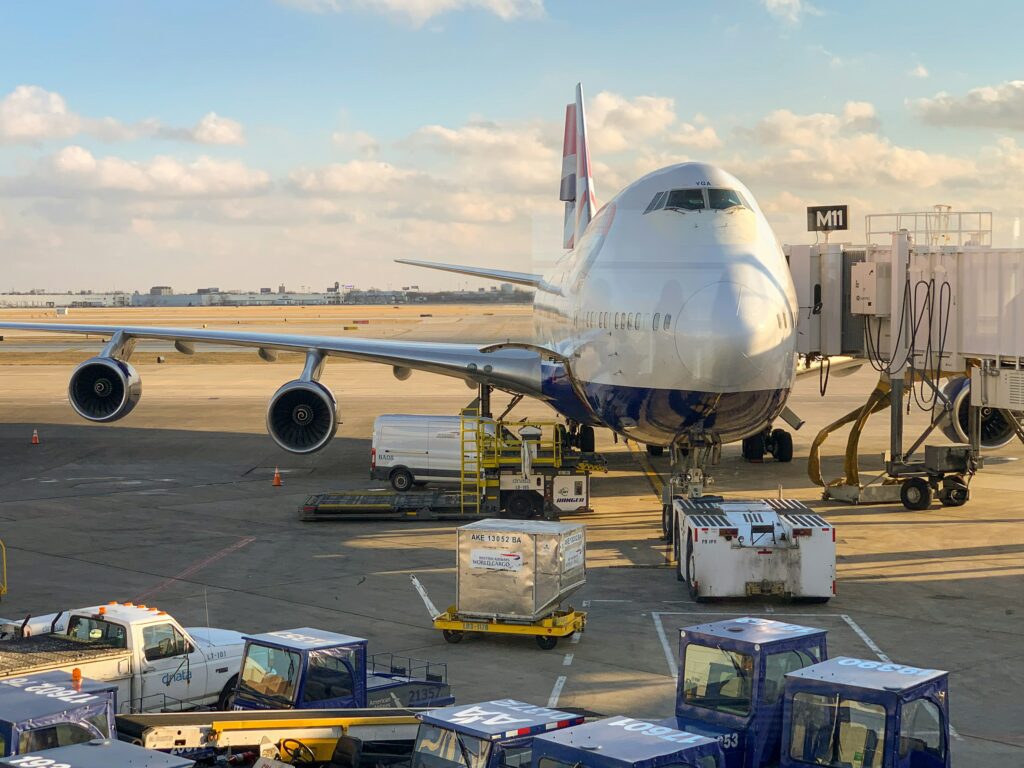
Aviation is often thought of as a passenger-driven industry, yet air cargo is equally vital in shaping the global economy. Around 35% of world trade by value is transported by air, even though air cargo accounts for less than 1% of global trade by volume. This demonstrates the unique role of cargo flights in moving high-value, time-sensitive goods such as electronics, pharmaceuticals, perishable foods, and e-commerce products.
To support this growing demand, airports require dedicated cargo terminals—facilities designed to efficiently handle freight, ensure proper documentation, maintain security, and connect seamlessly to ground transport. The presence of robust cargo infrastructure not only facilitates smooth logistics but also directly boosts a nation’s economy, trade competitiveness, and global connectivity.
This article explores the importance of cargo flights and terminals, the economic benefits, the how and why of their operations, and the security considerations that must be integrated into every cargo system.
Table of Contents
Why Cargo Flights and Terminals Are Important
1. Supporting Global Trade and Connectivity
Cargo flights link producers with markets across continents within hours. Without them, industries like fast fashion, e-commerce, and pharmaceuticals would not be able to function at a global scale. Cargo terminals at airports act as entry and exit gateways, enabling seamless international trade.
2. Economic Growth and Revenue Generation
Airports with active cargo operations generate significant revenue streams. Cargo operations not only bring income from freight charges but also from warehousing, ground handling, customs services, and value-added logistics. This revenue helps airports remain profitable, especially those with limited passenger traffic.
3. Job Creation
A single cargo hub supports thousands of direct and indirect jobs—ranging from cargo handlers, customs officers, freight forwarders, and drivers to IT specialists, warehouse managers, and airline staff. This makes cargo terminals an engine for local employment.
4. E-Commerce Expansion
The boom in e-commerce relies heavily on air cargo. Platforms like Amazon, Alibaba, and Jumia (in Africa) depend on fast, secure, and reliable freight networks. Airports with well-developed cargo terminals are in the best position to capture this growing market.
5. Humanitarian and Emergency Support
Cargo flights are critical during crises. During the COVID-19 pandemic, they carried vaccines, medical supplies, and essential goods worldwide. Cargo terminals equipped with cold storage and efficient handling played a lifesaving role. Similarly, during natural disasters, cargo flights ensure rapid delivery of relief materials.
https://www.iata.org/en/programs/cargo
How Cargo Terminals Work
Cargo terminals are more than just warehouses. They are specialized logistics centers designed to ensure smooth flow of goods. Their operations can be broken down into:
Acceptance of Cargo
Cargo is received from shippers, freight forwarders, or airlines.
Documentation (air waybill, invoices, customs declarations) is checked.
Security Screening
Goods are screened through X-ray machines, explosive detectors, or manual inspection in compliance with ICAO Annex 17 and IATA Cargo Security standards.
Storage and Handling
Cargo is stored in secure, climate-controlled zones depending on its nature (perishables, dangerous goods, high-value cargo).
Unit Load Device (ULD) Preparation
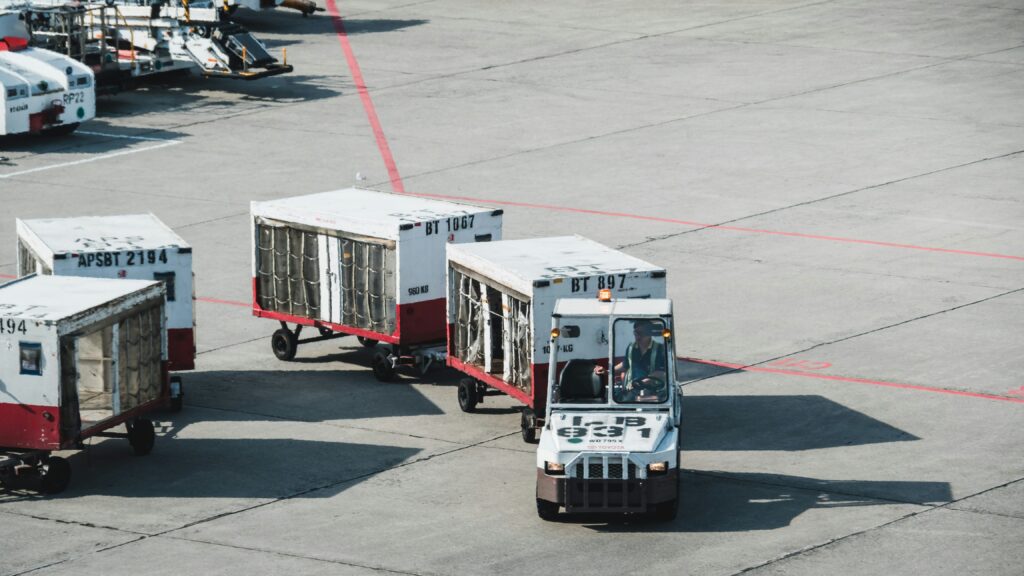
Goods are consolidated into containers or pallets, ready for loading on aircraft.
Customs Clearance
Customs authorities inspect and approve goods for export or import.
Transportation to Aircraft
Cargo is moved to the aircraft apron, loaded using high loaders, and secured in aircraft holds.
Arrival and Delivery
At the destination, the process is reversed: unloading, customs clearance, security verification, and delivery to consignees.

Types of Cargo Handled at Terminals
General Cargo: Electronics, textiles, manufactured goods.
Perishables: Fruits, vegetables, seafood, flowers.
Pharmaceuticals: Vaccines, medicines, requiring cold chain facilities.
Valuable Cargo: Jewelry, currency, high-tech devices.
Dangerous Goods: Chemicals, batteries, flammable substances (handled under IATA DGR guidelines).
Humanitarian Relief: Food aid, tents, water purification kits.
Ensuring Security in Cargo Operations
Air cargo security is a top concern, given the potential risks of smuggling, terrorism, and theft. Strong measures are essential to maintain trust and compliance with international regulations.
Key Security Measures:
Screening Technology
X-ray machines, explosive trace detectors, and sniffer dogs.
Known Shipper Program
Only trusted shippers with verified records are allowed to send cargo without extensive checks.
Access Control
Cargo terminals must have restricted access with ID checks, CCTV, and patrolling.
Data and Documentation Security
Use of electronic air waybills (e-AWB) ensures transparency and traceability.
Customs Collaboration
Close cooperation with customs authorities prevents illegal shipments and ensures compliance with international trade rules.
Staff Training
All personnel involved in cargo operations must undergo aviation security training to detect suspicious activity.
Economic Impact of Cargo Terminals
1. Boosting Exports and Imports
Air cargo allows perishable exports—such as Somaliland’s livestock and fishery products or Kenya’s fresh flowers—to reach markets in the Middle East and Europe. Without cargo flights, these industries would collapse.
2. Attracting Foreign Investment
Multinational companies set up distribution centers near airports with strong cargo facilities. This increases foreign direct investment (FDI).
3. Regional Competitiveness
Airports with cargo terminals often evolve into regional hubs. For example:
Dubai International Airport and Doha Hamad Airport attract cargo flows between Asia, Europe, and Africa.
Addis Ababa Bole Airport (Ethiopian Airlines Cargo) has become Africa’s largest cargo hub, boosting Ethiopia’s trade and economy.
4. Enhancing GDP Contribution
In many countries, aviation contributes up to 5% of GDP, with cargo operations forming a significant share of that.
Challenges in Cargo Operations
Infrastructure Limitations
Many African airports lack modern cargo terminals, cold storage, and automated handling systems.
High Costs
Air freight is expensive compared to sea or road transport. Balancing cost and efficiency is a challenge.
Security Threats
Smuggling, theft, and terrorism risks require constant vigilance.
Regulatory Barriers
Complex customs procedures delay shipments and discourage investment.
Competition from Sea Freight
For bulk cargo, sea transport is cheaper, leaving air cargo for high-value or urgent goods only.
How to Develop Cargo Terminals Effectively
For airports, governments, and stakeholders, the following steps are essential:
Invest in Modern Infrastructure
Build automated warehouses, cold storage, and smart handling systems.
Digitalization of Processes
Implement e-AWB, cargo tracking systems, and blockchain for transparency.
Public-Private Partnerships (PPP)
Governments can partner with private investors to finance and operate cargo terminals.
Integration with Ground Transport
Airports must have strong road and rail links to ensure cargo moves quickly from air to land.
Training and Workforce Development
Skilled staff are vital for cargo safety, security, and efficiency.
Adhering to IATA and ICAO Standards
Compliance with global guidelines ensures international trust and partnerships.
Case Study: Cargo Success Stories
Hong Kong International Airport (HKIA)
The world’s busiest cargo airport, handling over 4.5 million tonnes annually, thanks to advanced terminals and seamless logistics.
Ethiopian Airlines Cargo
Built Africa’s most advanced cargo hub, with 1 million tonnes handling capacity and pharma-dedicated cold chain. This helped Ethiopia grow as a key exporter of flowers and perishables.
Dubai World Central (DWC)
Designed as a cargo-first airport, DWC integrates warehousing, free zones, and logistics, making Dubai a global trade powerhouse.
Conclusion
Cargo flights and terminals are not just side operations of airports—they are engines of economic growth, trade facilitation, and global connectivity. By ensuring smooth freight operations, airports help nations participate in global supply chains, boost exports, create jobs, and attract investment.
However, with opportunity comes responsibility. Cargo operations must prioritize security, efficiency, and compliance with international standards to prevent risks of smuggling, terrorism, or theft.
For developing countries, investing in cargo infrastructure is one of the smartest economic moves. It strengthens trade competitiveness, positions airports as regional hubs, and contributes directly to GDP.
Call-to-Action
At Sky Aviation Consulting, we provide professional advice on cargo operations, terminal development, security compliance, and logistics optimization. Whether you are an airport authority, government agency, or private investor, we can help you design and operate world-class cargo terminals that boost the economy while ensuring cargo safety and security.
Contact us today to transform your airport into a hub of economic opportunity through cargo operations.