When passengers choose an airline, price and schedule certainly influence their decision. However, what truly shapes their loyalty and long-term preference often goes beyond cost—it is the quality of customer service. From the moment a traveller books a ticket to the time they collect their baggage at the destination, every touch point leaves an impression. Airlines that consistently deliver excellent service stand out in a competitive market, while those that neglect customer experience risk losing passengers despite offering competitive fares.
In today’s aviation industry, customer service is not a luxury—it is a necessity. Airlines compete not just on routes and aircraft but on how they treat their passengers. Customer service has become a defining factor that builds trust, encourages repeat business, and strengthens brand reputation.
This article explores the core elements of aviation customer service, the role of training and innovation, the challenges airlines face, and the strategies that can turn service excellence into a true competitive advantage.
Table of Contents
Why Customer Service Matters in Aviation
Air travel is unique compared to other services. It involves multiple stages—booking, check-in, security checks, boarding, in-flight services, baggage handling, and arrival. At each stage, passengers interact with airline staff, airport employees, and digital systems. A single bad experience, such as rude staff or lost baggage, can overshadow an otherwise smooth journey.
Excellent customer service brings three major benefits:
Passenger Loyalty – Travellers are more likely to return to an airline where they felt respected, valued, and cared for.
Competitive Advantage – In a crowded market, service quality often becomes the deciding factor between two similar airlines.
Brand Strength – Airlines that consistently provide outstanding service, such as Singapore Airlines or Emirates, are celebrated worldwide for their passenger-first approach.
For airlines, investing in service excellence is not just about pleasing passengers—it directly impacts profitability and long-term success.

Core Elements of Customer Service in Aviation
Customer service in aviation is a multi-layered process. Each interaction contributes to the passenger’s overall journey.
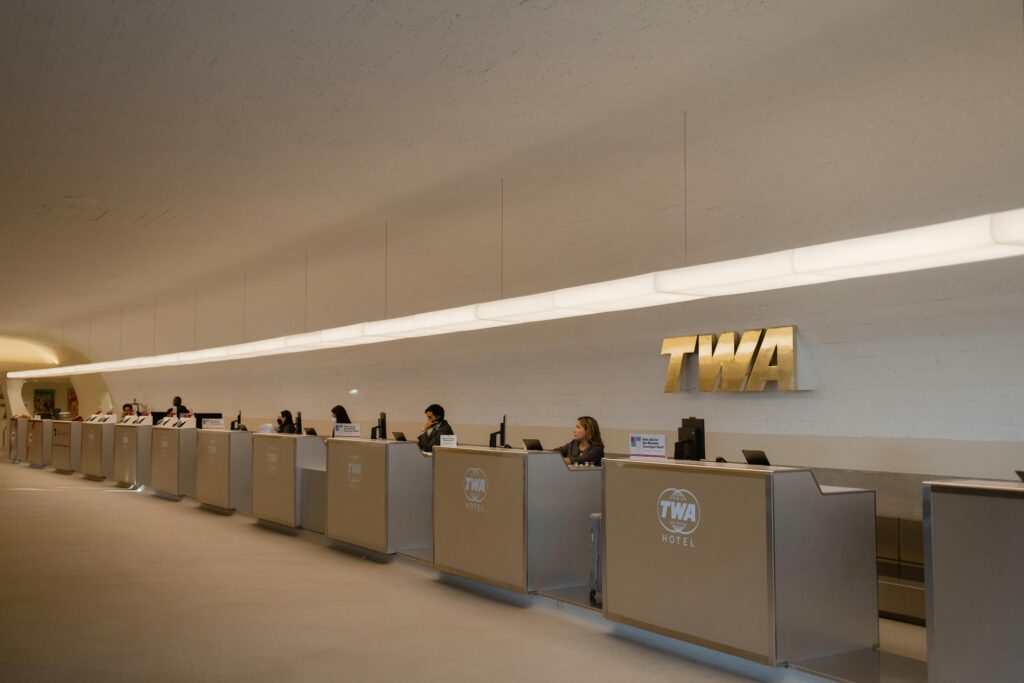
Passenger Assistance: From the check-in desk to the boarding gate, the quality of passenger assistance sets the tone for the trip. Friendly and efficient staff who can manage check-in lines, assist with baggage issues, and provide clear information create a welcoming experience. Access to lounge services for premium passengers further enhances satisfaction.
Onboard Experience: The in-flight phase is often the most memorable part of a journey. Key aspects include:
Cabin crew professionalism – Courtesy, empathy, and attentiveness make passengers feel valued.
Seating comfort – Adequate legroom and ergonomic seats matter, especially on long-haul flights.
Meal quality – Food and beverage options should cater to diverse tastes and dietary needs.
Entertainment – Reliable in-flight entertainment systems keep passengers engaged and relaxed.
Problem Resolution: Delays, cancellations, and baggage mishandling are unavoidable in aviation. What distinguishes good airlines from great ones is how they respond. Quick communication, empathetic staff, and fair compensation policies reduce frustration and rebuild trust.
Digital Engagement: Today’s passengers expect seamless digital experiences. Mobile apps that allow online check-in, digital boarding passes, and real-time notifications keep travelers informed and in control. Airlines that offer user-friendly digital tools demonstrate commitment to passenger convenience.
Training and Workforce Management: Employees are at the heart of customer service excellence. While aircraft and technology are vital, it is the people—both on the ground and in the air—who shape passenger experiences.
Staff Training: Comprehensive training programs must cover communication, cultural awareness, problem-solving, and conflict resolution. In an industry serving millions of diverse passengers, sensitivity to cultural differences is essential.
Motivation and Recognition: Employees who feel valued are more likely to deliver exceptional service. Recognition programs, performance incentives, and career development opportunities encourage staff to consistently exceed expectations.
Continuous Improvement: Airlines should collect feedback from passengers regularly. Surveys, social media monitoring, and direct communication help identify areas for improvement, ensuring that service quality evolves with changing customer expectations.
For example, Japan Airlines emphasizes “omotenashi,” the spirit of wholehearted hospitality, which is deeply embedded in their training programs. This cultural philosophy transforms ordinary service into memorable experiences.
Technology and Innovation in Customer Service
Modern technology has revolutionized aviation customer service, offering new ways to improve efficiency and passenger satisfaction.
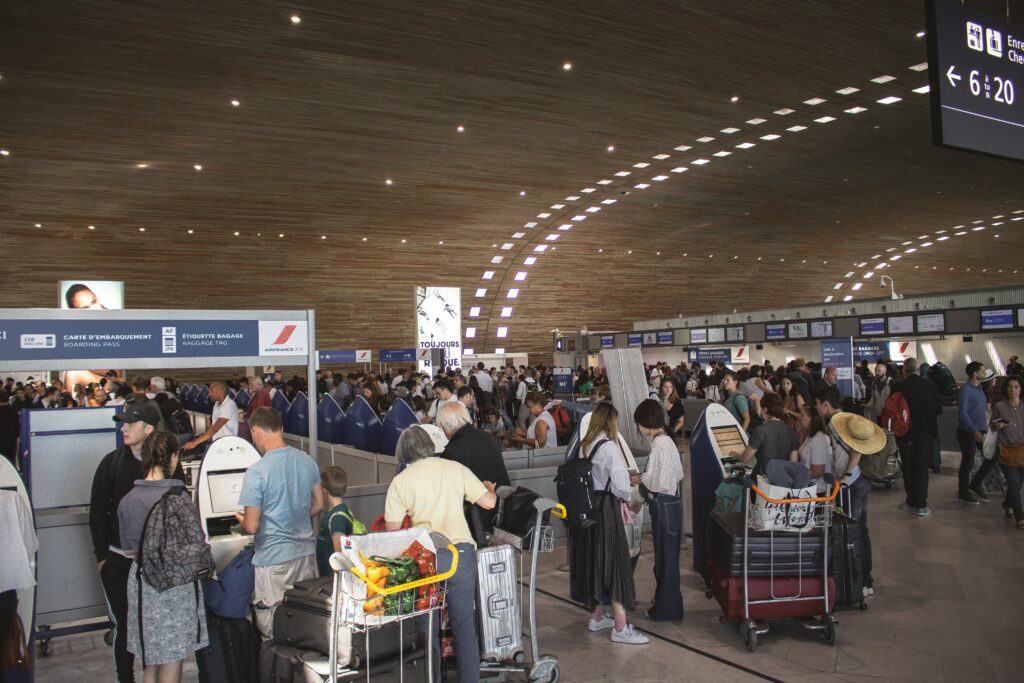
Self-Service Kiosks and Mobile Apps: These reduce waiting times by allowing passengers to check in, choose seats, and print boarding passes independently. The convenience empowers travellers and decreases stress during busy hours.
AI-Powered Chatbots: Available 24/7, chatbots can handle common queries, provide real-time flight updates, and guide passengers through disruptions. This ensures that support is always available, even when human agents are busy.
Personalization through Data: Airlines can now analyze passenger data to offer tailored services. For example, recommending meal choices, providing seat upgrades, or sending special offers based on travel history. Personalized engagement makes passengers feel recognized and valued.
Innovation not only enhances convenience but also reduces operational strain, creating a win-win situation for airlines and passengers alike.
https://www.iata.org/en/training/courses/customer-service-aviation/gmc028veen01/en
Challenges in Delivering Excellent Customer Service
While the vision of perfect service is appealing, airlines face practical obstacles:
High Passenger Expectations: Modern travellers expect quick, seamless, and highly personalized services. Meeting these expectations consistently across all flights and regions can be difficult.
Operational Disruptions: Weather delays, technical issues, and air traffic congestion are beyond airline control. However, poor handling of such disruptions can damage customer trust.
Balancing Service with Cost: Delivering high-quality service requires significant investment in training, staffing, and technology. Airlines often struggle to balance excellence with the need to control costs in a highly competitive industry.
Cultural and Language Barriers: International carriers serve passengers from diverse backgrounds. Misunderstandings due to cultural differences or language barriers can affect service delivery.
Addressing these challenges requires careful planning, smart investment, and a strong service culture embedded across the organization.
https://www.iata.org/en/training/courses/customer-service-airline/alc011elen01/en
The Future of Customer Service in Aviation
The next decade will bring significant changes to how airlines deliver service.
Greater Personalization: Data-driven strategies will allow airlines to treat passengers as individuals rather than just ticket numbers. Personalized offers, customized communication, and loyalty benefits will become the norm.
Biometric Technology: Facial recognition and fingerprint scanning will streamline boarding and security, reducing queues and enhancing convenience.
Sustainability as Service: As eco-conscious travel grows, passengers will value airlines that demonstrate environmental responsibility, from eco-friendly amenities to carbon offset programs.
Integration of AI and Robotics: Airports and airlines are already testing robots for check-in assistance, baggage handling, and customer inquiries. These technologies will supplement, not replace, human staff.
The future of aviation customer service will combine human warmth with technological efficiency, creating experiences that are both personal and seamless.
Conclusion
Customer service excellence in aviation is more than a slogan—it is the foundation of passenger loyalty and brand success. Every stage of the journey, from booking to baggage collection, offers opportunities to impress or disappoint travelers. Airlines that prioritize service through well-trained staff, innovative technology, and a passenger-first culture will thrive in the competitive skies.
As global air travel continues to expand, the airlines that stand out will not necessarily be the cheapest or the largest, but those that consistently deliver memorable experiences that passengers want to repeat.
Call-to-Action
At Sky Aviation Consulting, we support airlines, airports, and ground service providers in building customer service strategies that truly enhance passenger experience. From staff training and cultural awareness programs to digital engagement and service audits, we help organizations design and implement customer-centric systems that drive loyalty and competitive advantage.
Contact us today to learn how we can transform your customer service approach and take your passenger experience to the next level.