When passengers think about aviation, they often picture the aircraft soaring through the skies or the service they receive onboard. What usually goes unnoticed, however, is the enormous amount of work that happens on the ground. Behind every smooth departure, safe landing, or timely turnaround is a team of ground handling professionals and a complex system of operations that keep airlines and airports functioning seamlessly.
Ground handling services are the unsung heroes of aviation. Without them, aircraft would sit idle, baggage would be misplaced, and passengers would face endless frustration. The work they do touches nearly every aspect of the aviation experience—from check-in counters and baggage belts to fuelling trucks and cargo warehouses.
This article takes a closer look at what ground handling really means, why it is so critical to the aviation ecosystem, and how technology, training, and efficiency are shaping its future.
Table of Contents
The Backbone of Smooth Operations
Ground handling is essentially the collection of services required to service an aircraft between landing and take-off. While it may sound straightforward, the list is vast and varied. Airlines rely on these services to keep their operations safe, efficient, and passenger-friendly.
The main categories of ground handling include:
Passenger Services: From the moment a traveler steps into the airport until they board their flight, ground handling staff are there. They handle check-in, boarding, baggage drop, customer inquiries, lounge services, and special assistance for passengers who need it. These interactions often define the passenger’s first impression of the airline.
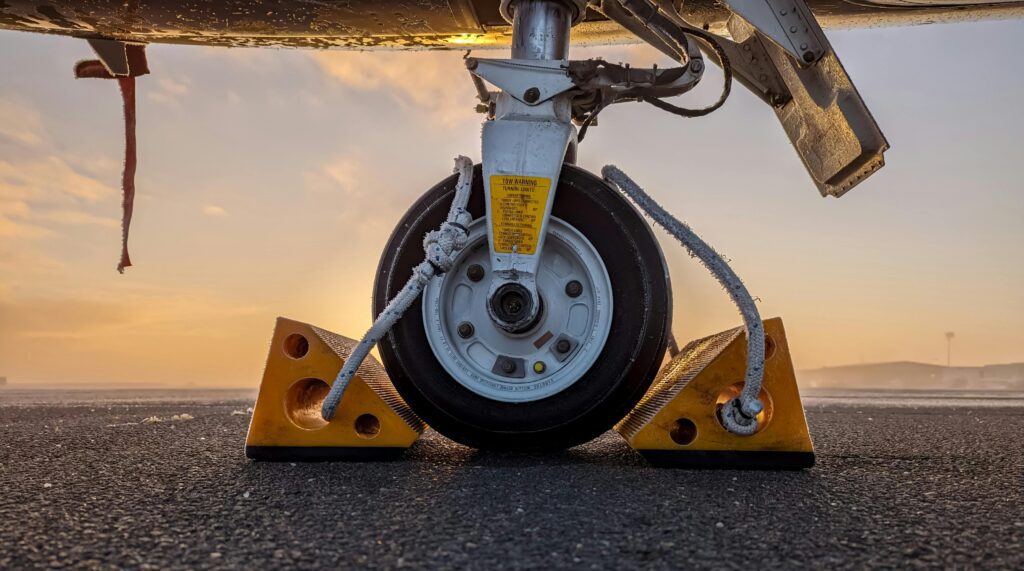
Aircraft Services: After an aircraft lands, it requires servicing before it can fly again. This includes refuelling, cabin cleaning, catering, and even aircraft towing. Every task has to be performed quickly and safely, as the goal is always to minimize turnaround time.
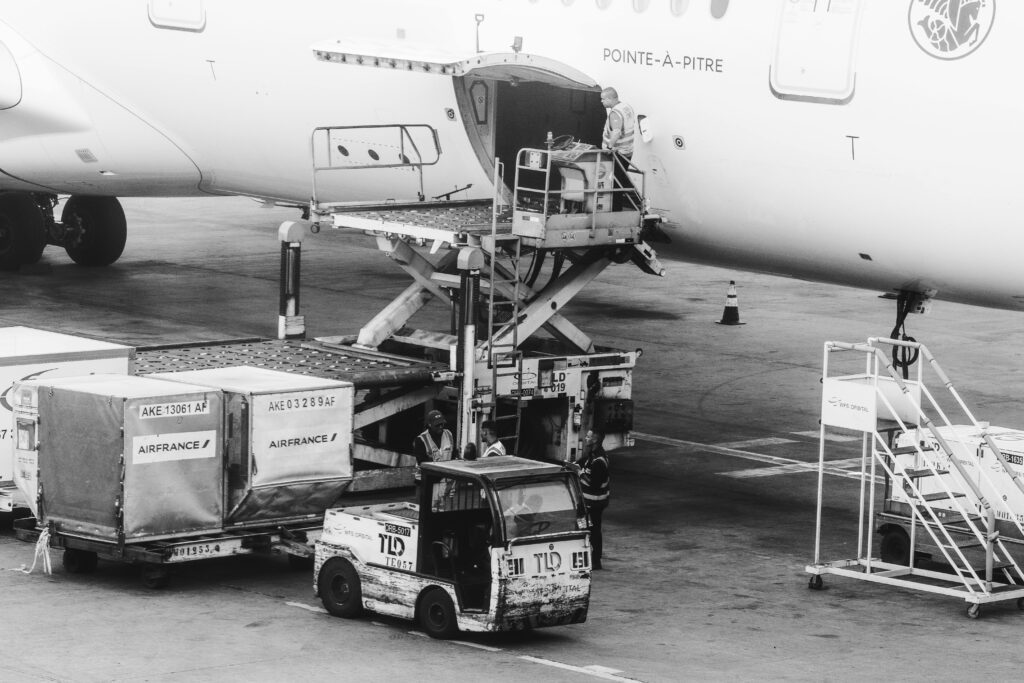
Cargo Handling: Freight and mail are just as important as passengers in aviation. Ground handling teams load, unload, and store cargo efficiently, ensuring goods move swiftly across the globe.
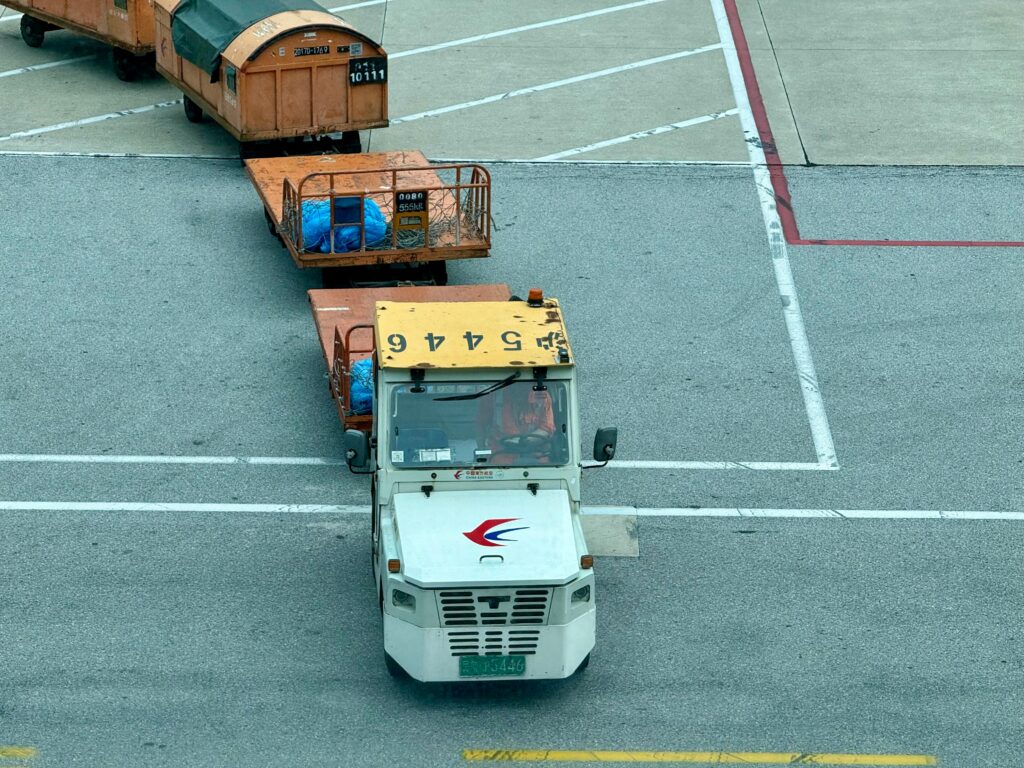
Ramp Operations: On the tarmac, coordination is everything. Ramp staff guide aircraft into position, manage ground power and air-conditioning units, supervise fueling, and oversee baggage and cargo loading. Their work ensures safety while keeping turnaround times as short as possible.
In short, ground handling is the silent engine that powers the visible aspects of air travel.
Why Quality Ground Handling Matters
It might be tempting to think of ground handling as a background service, but its quality directly affects the performance of airlines and airports.
Operational Efficiency: Airlines make money when their aircraft are flying, not sitting on the ground. Efficient ground handling minimizes delays, keeps flights on schedule, and maximizes aircraft utilization.
Passenger Satisfaction: For many travelers, the ground experience can make or break their journey. Smooth check-in, timely baggage delivery, and professional boarding processes all leave passengers with a positive impression. On the other hand, poor ground handling leads to complaints, negative reviews, and even brand damage.
Safety and Compliance: Aviation is one of the most regulated industries in the world, and ground handling is no exception. Mishandling equipment, misloading baggage, or rushing procedures can lead to costly accidents. Quality ground handling ensures strict adherence to safety protocols, minimizing risks to aircraft, crew, and passengers.
In essence, ground handling is not just about efficiency—it is about protecting the airline’s reputation and ensuring aviation’s uncompromising safety standards.
Technology Transforming Ground Handling
Like every part of aviation, ground handling is evolving with technology. Digital transformation is no longer a luxury but a necessity.
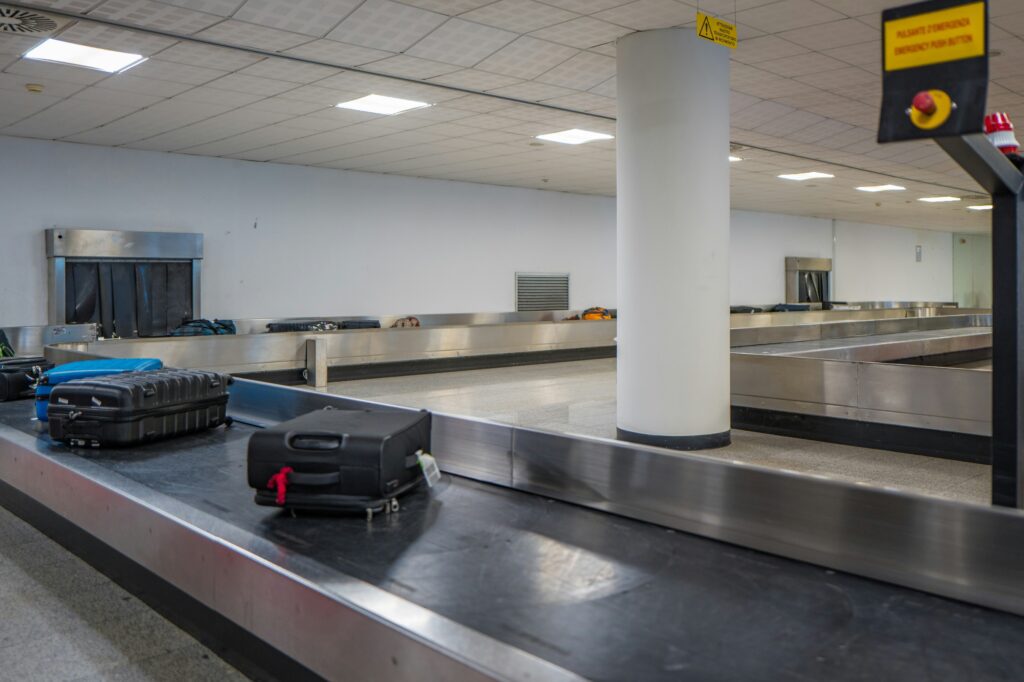
Automated Baggage Handling: Advanced baggage systems use conveyors, scanners, and sorting machines to process bags quickly and accurately. This reduces errors, speeds up transfers, and cuts down on lost luggage incidents.
Digital Operations Platforms: Airlines and handlers are adopting integrated platforms that allow real-time tracking of aircraft, cargo, equipment, and staff. With this visibility, managers can allocate resources more effectively and respond quickly to disruptions.
Remote Monitoring and IoT: Sensors installed in ground support equipment allow managers to monitor performance, fuel use, and safety compliance remotely. This prevents equipment failures and ensures efficient ramp operations.
Self-Service Kiosks and Biometrics: For passengers, technology is streamlining check-in, boarding, and baggage drop. Ground handling staff are then freed up to focus on assisting passengers who truly need personalized support.
These technologies do not replace human expertise but instead enhance it, enabling ground handling teams to work smarter and more effectively.
https://www.iata.org/en/programs/ops-infra/ground-operations
The Human Element: Training and Workforce Management
Despite advances in automation, ground handling remains heavily dependent on skilled personnel. From check-in agents to baggage handlers, from ramp coordinators to cargo loaders, people remain the heart of the operation.
Skilled Personnel: Each area of ground handling requires specialized knowledge. Staff must understand security procedures, safety protocols, and customer service principles. Even the simple act of loading baggage requires attention to weight distribution for aircraft balance.
Continuous Training: Aviation standards are always evolving. Regular training keeps staff up to date on safety, security, and operational procedures. Well-trained employees reduce accidents and enhance service quality.
Workforce Optimization: Managing shifts, breaks, and task assignments is critical in a 24/7 airport environment. Advanced scheduling systems help ensure that the right number of staff are available at the right time, reducing delays while avoiding fatigue.
By investing in their people, airlines and airports ensure that ground handling is not just efficient, but also safe, reliable, and customer-focused.
Challenges Facing Ground Handling
While ground handling is essential, it also faces unique challenges that require ongoing solutions:
Pressure for Faster Turnarounds – Airlines push for shorter turnaround times, but rushing increases risks. Balancing speed with safety is a constant challenge.
High Costs – Equipment, staffing, and training demand significant investment. For smaller airports or airlines, maintaining high-quality ground handling can be financially difficult.
Seasonal Demand Fluctuations – Airports may be overloaded during peak travel seasons, then underutilized at other times, making workforce planning complex.
Outsourcing vs. In-House – Some airlines rely on independent ground handling companies, while others manage services internally. Each model has pros and cons, but consistency and quality control remain key concerns.
Addressing these challenges requires strategic planning, technological investment, and close collaboration between airlines, airports, and ground service providers.
The Future of Ground Handling
Looking ahead, ground handling will only become more important. As global air traffic grows, so will the demand for efficient, reliable, and safe ground operations. Emerging trends point toward:
Greater Automation – From robotic baggage handling to AI-powered ramp coordination, automation will reduce human error and increase efficiency.
Sustainability – Electric ground support equipment is replacing traditional fuel-powered machines, cutting costs and reducing airport emissions.
Personalized Passenger Services – With airlines competing for loyalty, the passenger ground experience will become even more central to branding. Expect smoother check-ins, faster baggage delivery, and more seamless connections.
For airports and airlines that embrace these changes, ground handling can become a competitive advantage, setting them apart in terms of efficiency, safety, and customer satisfaction.
Conclusion
Ground handling services may not always be visible, but they are absolutely indispensable. From the moment a passenger enters the airport until their baggage arrives at their destination, ground handling plays a crucial role. For airlines, it determines how efficiently their fleet operates. For passengers, it defines much of their travel experience. For the industry, it is the foundation of safety and compliance.
As aviation continues to evolve, the future of ground handling lies in a combination of technology, skilled personnel, and operational excellence. Airports and airlines that invest in these areas will not only improve efficiency but also build stronger reputations and happier customers.
Call-to-Action
At Sky Aviation Consulting, we specialize in helping airlines, airports, and ground handling companies optimize their services. From staff training and operational efficiency to technology integration and safety compliance, we provide the expertise you need to succeed in a competitive market.
Contact us today and let us support you in building world-class ground handling operations that keep flights on time, passengers satisfied, and skies safe.