Airports are more than just places where planes land and take off. They are gateways to cities, hubs of economic activity, and symbols of progress. When you walk through a modern airport, you see more than runways and terminals—you see restaurants, shops, technology, and services that reflect the spirit of the city or country it serves. But behind all this is a complex story of planning, expansion, and modernization. Building and developing airports is not simply about constructing terminals and runways; it’s about shaping the future of travel and connecting communities to the rest of the world.
In today’s globalized world, air travel is growing rapidly. Millions of people fly every day, and the demand is expected to rise even more in the coming decades. This growth puts enormous pressure on airports, many of which are already struggling with congestion and outdated infrastructure. Developing airports to meet this demand is not only an engineering challenge but also a social and economic one.
Table of Contents
Why Airport Development Matters
Airports are often called the “front doors” of nations. They are the first and last impression for international visitors, and they play a critical role in tourism, trade, and investment. A well-designed airport can attract airlines, increase passenger traffic, and boost local economies. On the other hand, outdated or poorly managed airports can discourage travellers and limit economic growth.
Consider the example of Dubai International Airport. Just a few decades ago, it was a small regional airport. Through visionary planning and massive investment, it has become one of the busiest airports in the world, serving as a global hub for millions of passengers every year. This transformation not only benefited the airline industry but also turned Dubai into a global business and tourism destination.
Planning: The Foundation of Airport Growth
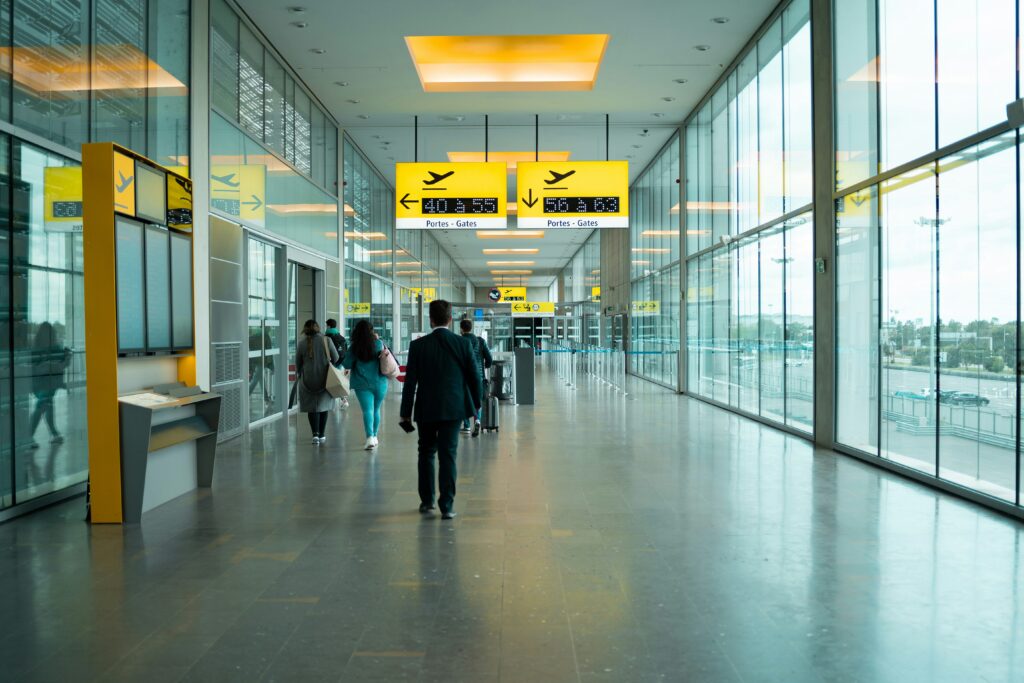
Every successful airport project starts with detailed planning. Planners must look at current demand, forecast future growth, and design infrastructure that can adapt over time. This includes deciding on the size of runways, the number of terminals, and the types of facilities needed for both passengers and cargo.
One of the biggest mistakes in airport planning is underestimating demand. Many airports around the world were built for smaller numbers of passengers than they currently handle, which leads to overcrowding and delays. Smart planning means not only addressing current needs but also anticipating future growth—sometimes decades ahead.
Planners also have to consider environmental and social impacts. Building or expanding an airport can affect nearby communities, wildlife, and ecosystems. Noise pollution, for example, is a major issue for people living near airports. This means that planning requires careful consultation with local stakeholders to balance development with sustainability.
https://igat.icao.int/ated/TrainingCatalogue/Course/5693
Expansion: Meeting Growing Demand
Even the best-planned airports eventually need expansion. Runways need to be lengthened to accommodate larger aircraft, new terminals must be built to handle more passengers, and additional parking areas and cargo facilities are often required.
Expansion projects can be huge undertakings, often costing billions of dollars and taking years to complete. London Heathrow, for example, has been debating and planning expansion for decades because of the complexity involved in adding runways in a densely populated area. In contrast, airports in Asia and the Middle East, such as Beijing Daxing or Hamad International in Doha, have managed rapid expansion by building on large tracts of available land.
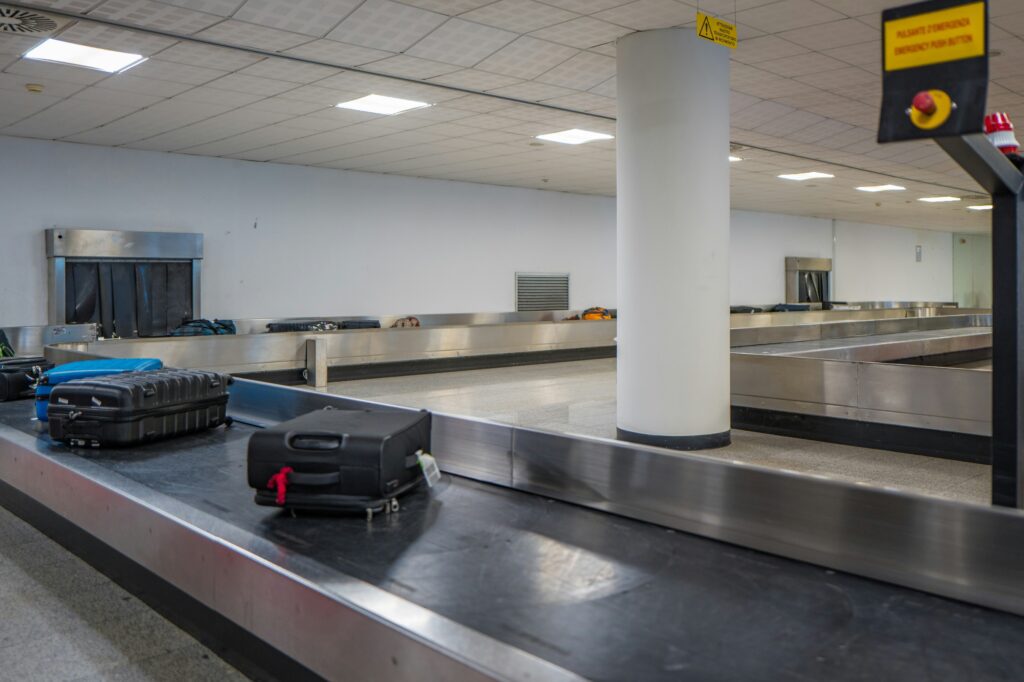
Expansion is not just about adding size—it’s also about improving efficiency. Modern airports use technology to streamline passenger flow, reduce waiting times, and improve baggage handling. Self-check-in kiosks, automated passport control, and advanced baggage tracking systems are just a few examples of how expansion projects incorporate technology to create a better travel experience.
Modernization: The Future of Airports
Airports today are no longer just transport facilities—they are evolving into smart, sustainable, and customer-focused hubs. Modernization is about upgrading old systems, adopting new technologies, and rethinking the passenger experience.
For example, many airports are now introducing biometric systems for faster check-in and boarding. Passengers can walk through the terminal without showing a boarding pass or passport because facial recognition systems handle identification. This not only saves time but also reduces the risk of fraud.
Sustainability is another key aspect of modernization. Airports are big consumers of energy, but many are moving toward greener operations. Solar panels, energy-efficient lighting, and electric ground vehicles are becoming common. Some airports are even working toward becoming carbon-neutral in the coming years.
Technology is also changing air traffic management. With the rise of next-generation navigation systems, planes can land and take off more efficiently, reducing delays and fuel consumption. Airports are also experimenting with digital twin technology—virtual models that allow them to test and optimize operations before making changes in the real world.
The Challenges of Airport Development
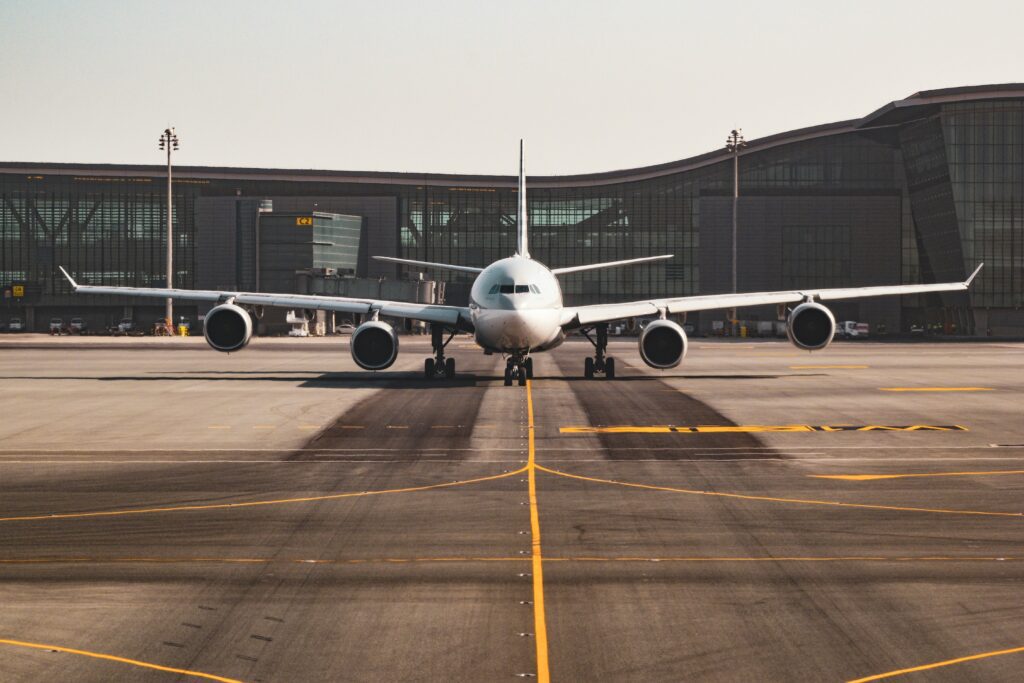
Developing airports is never simple. It requires massive funding, long-term planning, and coordination between governments, private investors, airlines, and local communities. Political debates often delay projects, as seen in many major airports where expansion plans have faced public opposition.
Financing is another challenge. Building new terminals or runways can cost billions, and not all governments have the resources. This is why public-private partnerships (PPPs) have become popular, with private investors funding projects in exchange for long-term revenue-sharing agreements.
There’s also the issue of balancing passenger needs with security and efficiency. Airports must be safe and secure, but they must also be welcoming and easy to navigate. Striking this balance is often difficult, but it is crucial to maintaining passenger satisfaction.
Why Modern Airports Are Key to Economic Growth
The importance of modern airports cannot be overstated. They connect countries, encourage tourism, and support global trade. A new runway or terminal is not just an infrastructure project—it’s an investment in the future of a nation.
Think about it this way: when an airline decides where to fly, it looks at airport facilities, efficiency, and passenger demand. If an airport can handle large aircraft and provide a smooth passenger experience, more airlines are likely to add flights. This brings in more tourists, more business travellers, and more opportunities for trade.
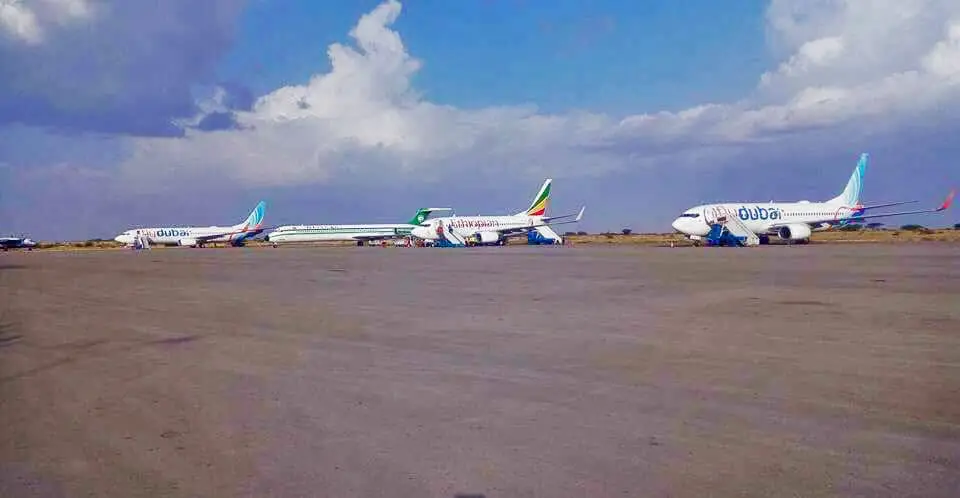
In many parts of Africa, airport development is especially urgent. Growing populations and rising demand for air travel mean that current infrastructure will soon be insufficient. By investing in modern, well-planned airports, African countries can strengthen their economies and increase their global connectivity.
https://www.iata.org/en/programs/ops-infra/airport-infrastructure/airport-development
Conclusion
Airport development is about more than concrete and steel—it’s about vision, strategy, and innovation. From planning to expansion to modernization, every step is essential to keeping pace with the demands of global aviation. Airports that fail to adapt risk falling behind, while those that invest wisely can transform themselves into global hubs.
As air travel continues to grow, airports will play an even greater role in shaping economies and connecting the world. The future belongs to those who can combine smart planning, innovative technology, and sustainable practices to create airports that are efficient, welcoming, and resilient.
Call-to-Action
At Sky Aviation Consulting, we work with airports and civil aviation authorities to plan, expand, and modernize aviation infrastructure. Whether it’s designing a master plan, implementing sustainable practices, or training airport staff, our goal is to help airports grow in a way that supports both passengers and economies. Reach out to us today to explore how we can shape the future of your airport.