The African aviation sector is one of the most exciting frontiers in global air transport. With its vast geography, growing cities, expanding tourism sector, and a rising middle class eager to travel, the continent offers plenty of opportunities for airlines. Yet, at the same time, launching a new airline in Africa can be tough. High costs, complex regulations, and strong competition mean that many new carriers never make it past their first few years.
So, what does it take for a new airline in Africa to succeed? The answer lies in preparation, smart strategy, and a focus on both efficiency and passengers.
In this article, we’ll walk through the essential steps, lessons, and insights that can help turn the dream of starting an airline in Africa into a sustainable business.
Table of Contents
Africa’s Growing Aviation Potential
Africa is home to more than 1.4 billion people, yet the continent still accounts for only a small percentage of global air traffic. This gap between population size and air travel demand represents a huge opportunity. Rising incomes, rapid urbanisation, and the growth of African tourism hotspots—like Zanzibar, Cape Town, Mombasa, and Marrakech—are fuelling demand for both domestic and international flights.
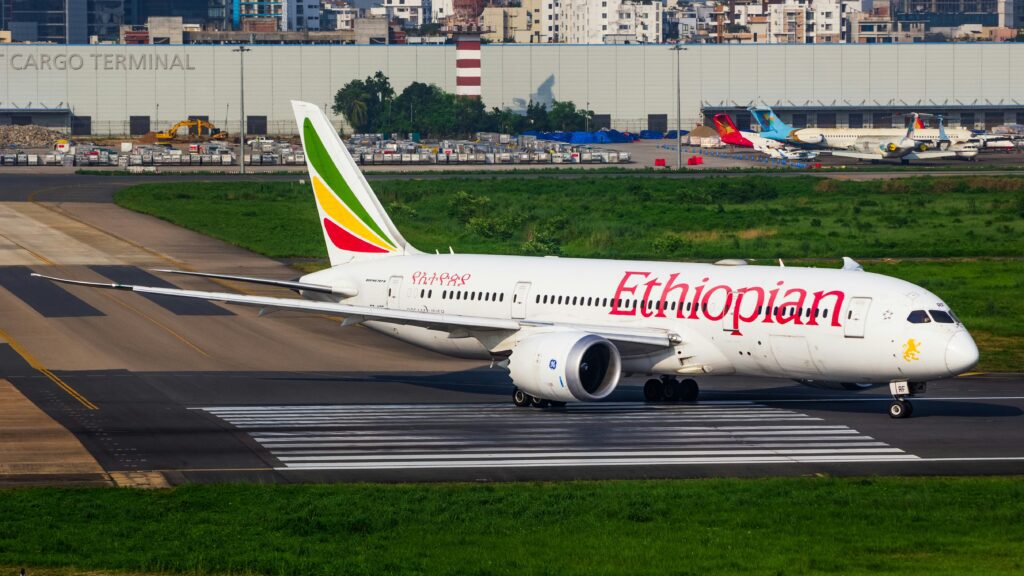
For example, Ethiopia Airlines has proven how much growth is possible by focusing on strong regional connectivity and partnerships. Similarly, newer low-cost airlines like Fastjet in Tanzania and Fly Safair in South Africa have shown that African travellers are eager for affordable options when airlines get it right. The opportunity is real. But success requires careful planning.
Do Your Homework: Market Research is Key
One of the most common mistakes new airlines make is rushing into the market without truly understanding it. In Africa, this is especially dangerous because the aviation market is not evenly developed across countries.
A thorough market study should answer questions like:
Which routes are underserved?
What are the travel habits of the population? Are they mostly tourists, business travelers, or local families?
How strong is the competition on each potential route?
For instance, if an airline plans to fly between two major cities like Nairobi and Johannesburg, it will face strong competition from established carriers. But if it identifies a gap in regional connectivity—say, between secondary cities that lack direct flights—that could be a niche worth targeting.
In short, success begins with knowing exactly where and how your airline will fit into the market.
Navigating the Regulatory Maze
If market research is step one, regulatory compliance is step two—and it’s non-negotiable. African airlines must go through national civil aviation authorities to obtain an Air Operator Certificate (AOC). This certificate is proof that the airline meets international safety and operational standards.
But here’s the challenge: different countries have different processes, and these can sometimes be slow and bureaucratic. For example, it might take months—sometimes even years—for a startup airline to get the required approvals.
The lesson? Build strong relationships with regulators early. Engage civil aviation authorities in your planning process, demonstrate your commitment to safety, and make sure you’re aligned with International Civil Aviation Organization (ICAO) standards. Doing so will save you time, money, and headaches later.
Crafting a Solid Business Plan
A great idea is not enough to launch an airline—you also need a clear, realistic business plan. This plan should cover:
Fleet strategy: What aircraft will you use, and why? For start-ups, leasing planes is often more affordable and flexible than buying them outright.
Operating costs: Fuel, staff salaries, training, ground handling, and maintenance all add up quickly.
Revenue projections: How many passengers do you expect to carry, and at what average fare?
Funding sources: Will your startup rely on private investors, government backing, or bank loans?
Remember, aviation is capital-intensive. Many African airline startups have failed simply because they underestimated how much money was needed to keep operations running in the early years. Careful financial planning, combined with transparency to attract investors, is key.
Fleet and Operations: Choosing the Right Tools
Your fleet is the backbone of your airline. Selecting the right aircraft type makes all the difference between profitability and loss. In Africa, where distances vary from short regional hops to long intercontinental flights, the choice of fleet should be tied directly to your market research.
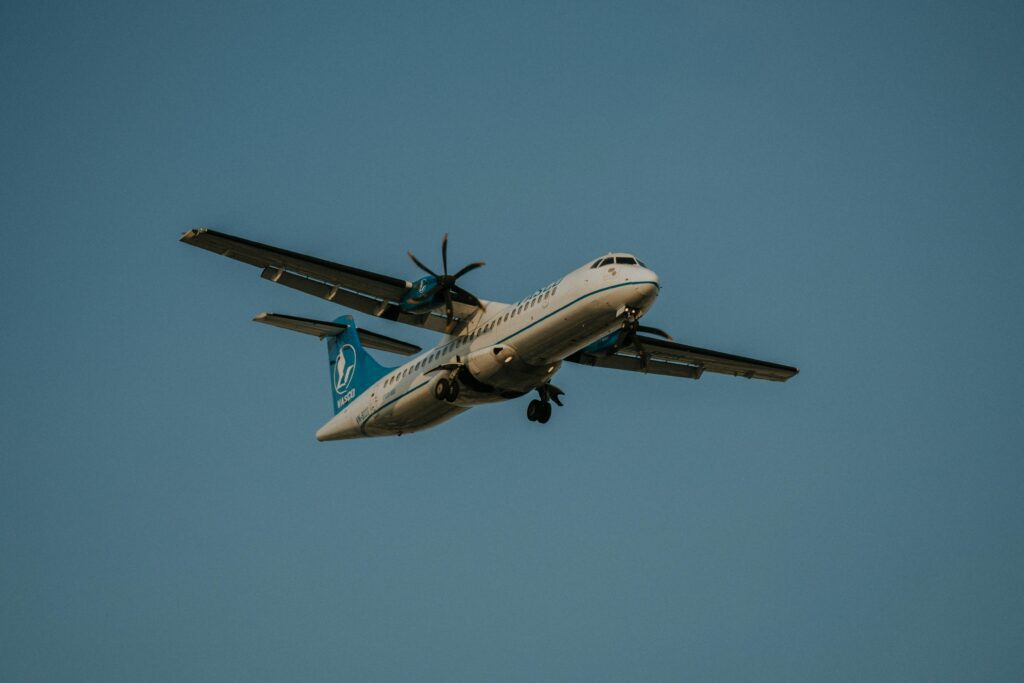
For short-haul routes, smaller aircraft like Embraer jets or ATR turboprops can be ideal—fuel-efficient, lower-cost, and well-suited for airports with limited infrastructure. For longer routes, Boeing 737s or Airbus A320s are common among African carriers.
Equally important is partnering with reliable service providers for maintenance, ground handling, and catering. Operational delays due to poor planning can ruin an airline’s reputation before it even builds one.
Marketing and Branding: Standing Out from the Crowd
Launching a new airline in Africa is not just about planes—it’s about people. And people choose airlines based on trust, brand identity, and value for money. That’s why branding and marketing are so important.
A strong airline brand should communicate reliability, safety, and a clear identity. Is your airline focused on affordability, like FlySafair? Or is it more about premium service and comfort, like Kenya Airways?
In today’s digital world, social media is a powerful tool for airlines to connect with customers. A smart campaign on Instagram, Twitter, or Facebook can build excitement long before your first flight takes off. Loyalty programs, partnerships with hotels, and even targeted promotions for students or business travellers can help build a strong customer base.
https://www.iata.org/en/about/worldwide/ame/saatm
Learning from Success—and Failure
Africa’s aviation history is full of lessons. On one hand, airlines like Ethiopian Airlines, RwandAir, and Air Côte d’Ivoire show how smart strategy, efficiency, and regional focus can lead to success. On the other hand, we’ve also seen the collapse of airlines like Nigeria Airways and Air Zimbabwe, often due to mismanagement, corruption, or ignoring market realities.
The lesson is clear: success requires discipline, transparency, and a focus on the basics—safe, efficient, and customer-friendly operations.
https://cirmaax.com/the-rise-and-fall-of-somali-airlines/
Final Thoughts: A Roadmap for Success
Starting an airline in Africa is not easy. It takes vision, money, patience, and strong management. But for those who get it right, the rewards are immense—not just in profits, but in the role airlines play in connecting people, supporting economies, and opening Africa to the world.
The recipe for success includes:
Understanding your market and finding a niche.
Building strong relationships with regulators.
Developing a clear, realistic financial plan.
Choosing the right aircraft and service partners.
Building a brand that passengers trust.
When these elements come together, new airlines can thrive and contribute to Africa’s growing aviation story.
Call-to-Action
Are you dreaming of launching your own airline in Africa? Don’t go it alone. At Sky Aviation Consulting, we specialise in guiding start-ups through every step—from market research and regulatory compliance to fleet planning and marketing. Contact us today and take the first confident step toward turning your vision into reality.